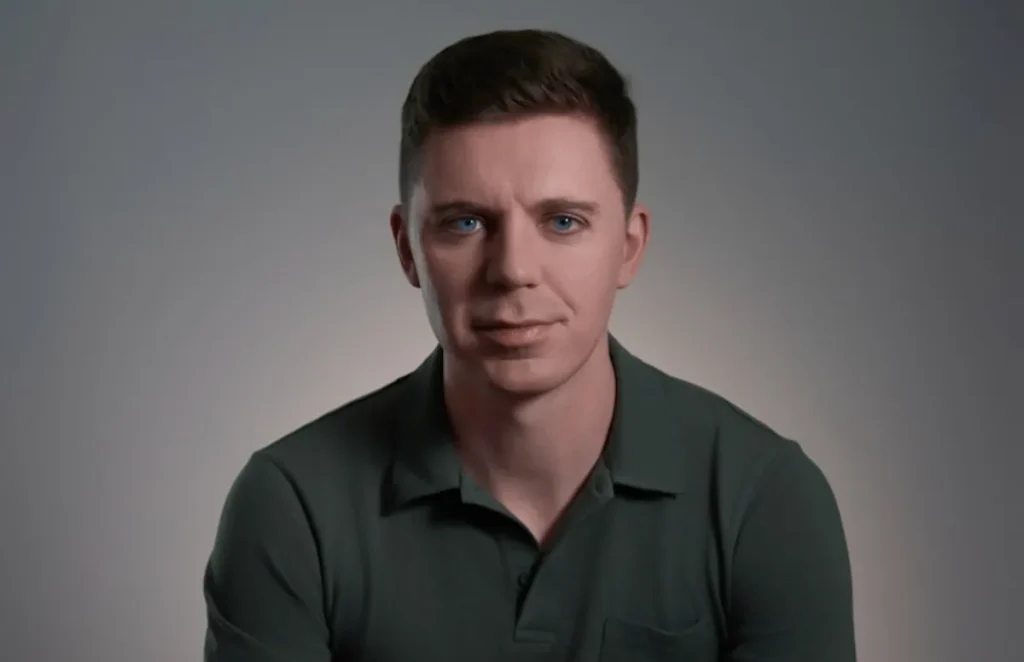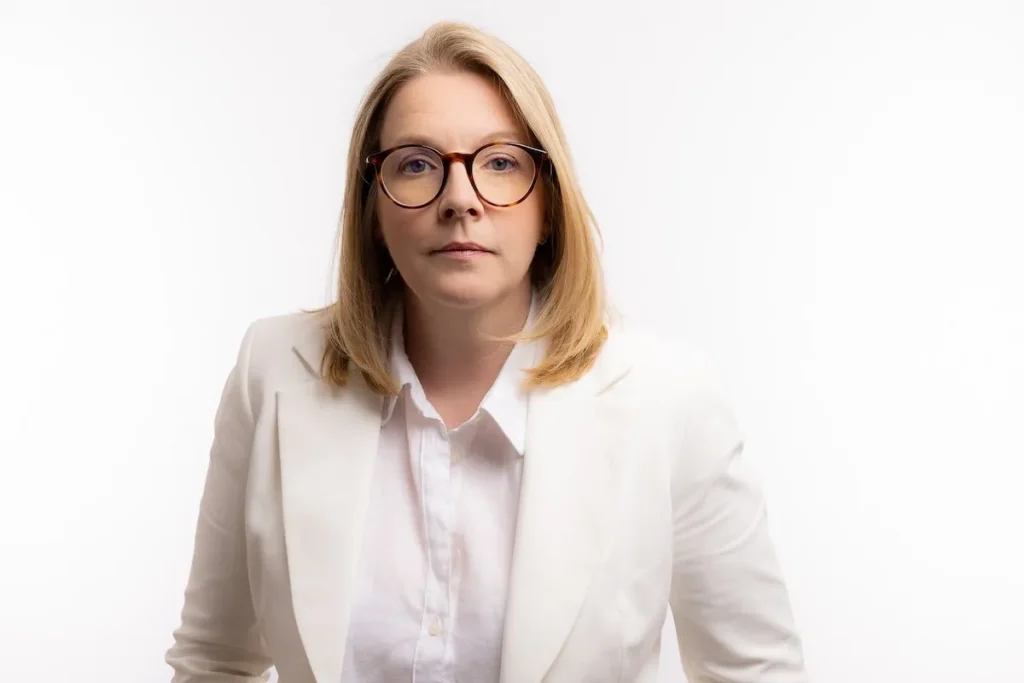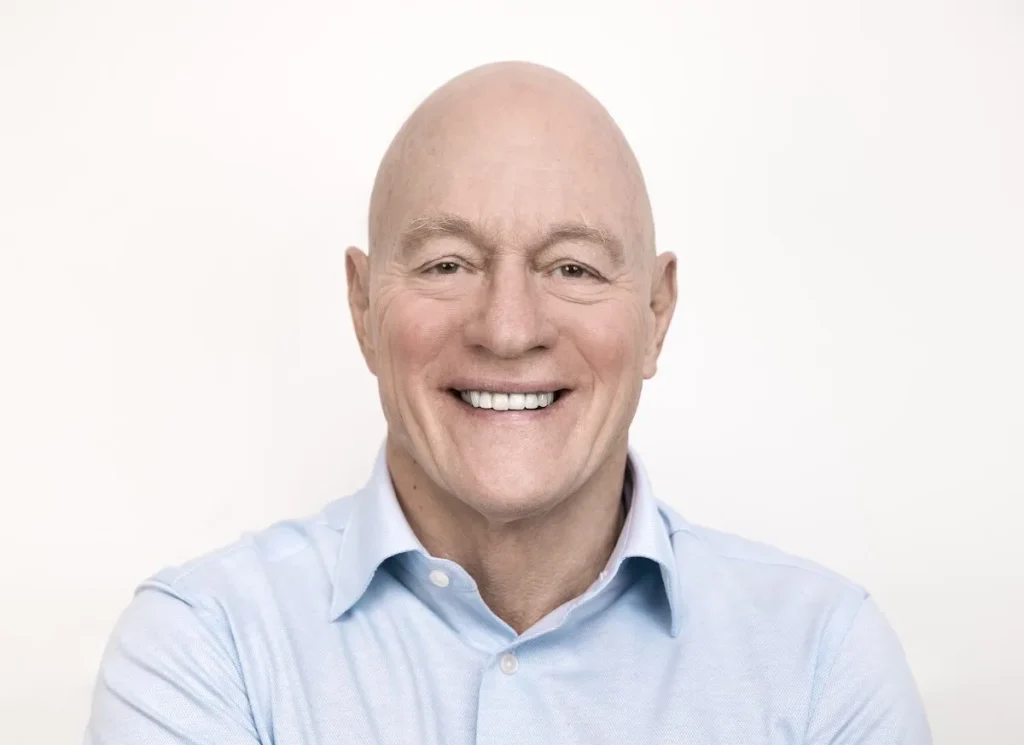

Firstly, we interviewed Kate Morgan, the founder of Morgan Publicity. She shared with us how she managed her cultured agency, which specialises in press and media relations, product placement, brand building, event sourcing, management and copywriting, to make it a real business.
What made you decide to start the business
I was horribly burnt out in my previous job and working crazy hours 8.30am-10.30pm was a frequent occurrence, with little to no breaks. My personal life was suffering and I was losing my passion for the industry I loved and worked very hard to be successful and accomplished in.
Simply put; I knew there was a better way to be successful in business and to still live a balanced life. I started Morgan Publicity with a goal to represent a new wave of PR. I work the hours I’m most productive in, I am selective about what clients we take on and I have a life while still delivering results!
How did you finance the business
I label Morgan Publicity as the accidental PR firm . It wasn’t until I left my previous company that brands starting approaching me for representation through word of mouth recommendations. Once I had enough clients on retainer agreements, I just got going.
It was a speedy process from handing my notice in, to all of sudden running my own firm. In short, I financed the business by having clients in the wings and when I had enough on contract agreements to make this a viable life decision for me, I went for it.
Did you face any financial difficulties and how did you overcome them
Having virtual team members keeps overhead costs down as it eliminates having to pay for office space I don’t know why more businesses don’t do this. I also save on travel costs as I don’t need to commute unless I have press or business meetings.
Our clients are respectful in that we are virtually always compensated for our services on time! The last thing you want to worry about as a new business owner is chasing pay cheques. So far, I can’t say we’ve ran into financial difficulties.
What financial advice do you have for entrepreneurs looking to start a new venture
Making the decision to start a new venture is a difficult step in itself. Once you know for certain that starting your own business is the path you truly want to pursue; don’t look back.
There will be days when you’ll yearn for the easiness of a guaranteed pay cheque, stability and routine. But being your own boss, working your own hours, creating opportunities and alliances that YOU want to pour yourself into that is worth its weight in gold.
Find a network of emotional support for the dark days they will come and celebrate the bright ones. Your successes count for so much more when it’s your blood, sweat and tears that made it all possible. Good luck!
Continue reading on the next page as we hear from the founder of a crowdfunding and commercial investment community and how he moved from the music industry to get started.

Secondly, we spoke to Oliver Mochizuki to find out how he converted his startup company into a real business. He is the CEO and co-founder of Fundsurfer, a crowdfunding and commercial funding platform and community, and gave us a real insight as to how he made his success.
What made you decide to start the business
After working in the music and festival industry I had experienced first-hand the difficulty in raising finance. We created Fundsurfer to help amazing projects and companies get funding and provide an alternative to the banking sector. I also had experience running a charity for ten years and saw an opportunity to utilise that knowledge.
We wanted to innovate and change the funding industry as we saw that crowdfunding had created a funding escalator reaching the ground floor and achieving something that all previous governments had failed to do.
Anyone, anywhere with an idea could raise funds with no upfront cost. With alternative and collaborative finance changing the whole landscape it looked to be an exciting time to be in fintech.
How did you finance the business
We funded the initial minimum viable product and launched with $30,000 cash from two co-founders plus sweat equity and sweat marketing for the first 18 months of trading, gaining our first 200 customers and building a pipeline of users, clients and partners.
Within a month of launching the company we were covering basic overheads and some marketing, events and conferences. This enabled us to focus on platform development, partner acquisition to build our team and to then start raising seed investment after 12 months.
We also began delivering funding workshops to different organisations and charging a fee. We have since secured our first round of seed finance which took six months.
Read more on cost control:
- How to cut your business travel costs by 20 per cent in seven steps
- 10 cost-cutting tips to save British workers 2,500 a year
- The many ways to crack cost control, as revealed by five UK business leaders
Did you face any financial difficulties and how did you overcome them
Both co-founders worked for free for 18 months and subsequently had to work freelance on other projects to cover outgoings, this of course took away from the ongoing growth of Fundsurfer. We had to focus closely on the main areas that needed work where we could achieve a high reward for little work.
Growth hacking became our favourite word as we learned new and innovative ways to market Fundsurfer without spending a fortune on PPC competing with the larger platforms. Growing gradually would enable us to build more value into the company, ready for investment.
What financial advice do you have for entrepreneurs looking to start a new venture
Try and lay down a strong deck and investment proposal as soon as possible, once you launch your business it will be much harder to take the time required to create the docs you need. Give yourself the time to raise the funds you need, it can take six-12 months on average.
If you want to raise money from US VCs be prepared to open an office in the States as investors arent going to jump on a plane to attend a board meeting. And be wary of giving away too much equity in your first seed round for too small an investment it will hamstring you for future rounds.
Make sure your numbers are solid and not hockey sticks on graphs. We know the numbers won’t be necessarily pan out exactly as outlined, but if you get the valuation wrong as a result you will continually underachieve and disappoint due to the bar being set too high.
Get the right investors, usually not the first investors. Don’t forget to celebrate the small wins along the way and have fun!
On the next page, find out what the MD of a cost-effective marketing agency and how she got started without any investment.

Finally, we spoke to Tanya Dale from Cost Saving Marketing. As the managing director of a marketing agency that provides affordable outsourced marketing services, with no contract or overhead employees, we learned how she turned her company into a real business.
What made you decide to start the business
I spent ten years of my life working as a departmental marketing manager for a range of companies internationally. My work with small businesses in the UK made me realise that although SMEs in the UK are the diamonds in our economy, they face real obstacles finding the finances to invest in marketing, advertising and PR all the marketing techniques which make a brand strong and a business grow.
In 2014 I decided to quit my job as a departmental marketing manager and focus on helping small businesses blossom via offering them a cost-effective outsourced marketing services which are focused on driving sales and developing a strong brand.
How did you finance the business
I started my business with literally no investment. I worked from my spare bedroom and I used my old laptop to create a website and start marketing my services. I registered as a sole trader in the beginning so I didn’t have to pay an accountant.
Being a digital marketing agency means we can provide all marketing services online from coaching clients via virtual conference calls to designing and delivering printed materials such as branded products and leaflets. Our entire team is virtual and this means we don’t have office overheads to absorb.
The savings we make from operating in the virtual space we pass to our customers and create affordable cost-saving marketing services for them which deliver incredible ROI.
Did you face any financial difficulties and how did you overcome them
We didn’t really have any financial difficulties. A business obstacle we faced was scaling up the business. The reason why our services are so popular is because they are very flexible and there is no minimum contract to sign. We offer hourly and ad-hoc based virtual marketing support. This is a great selling point which brought many new clients but it means we don’t always have stable monthly income we could re-invest into the growth of the business.
To overcome this obstacle we decided to offer our services internationally. In order to attract customers internationally we created a new brand called Virtual Marketing Manager. The brand offers completely virtual services to companies internationally. Operating internationally helped us expand our target market and approach a wider audience.
What financial advice do you have for entrepreneurs looking to start a new venture
The best advice I could give entrepreneurs is to spend their time with tasks which add value to the bottom line. When you start a new venture your time will be very limited, you will have many tasks to take care of and many decisions to make.
However, spend your time finding clients and immediate ways to add to the bottom line. Coming up with an exciting logo might be fun but it won’t add a lot to the bottom line and ultimately you’ll have to survive when you start a business. The best way to be successful in business is to be in business.
Portfolio diversification is another great tip. Developing your products and services to appeal to a wider audience, or inventing new ones to access different markets will help you protect yourself against the economic vagaries that can occur regardless of where you live and the country you operate in.
We know how diverse the startup landscape is and Real Business dived into PayPals Start Tank incubator in London to find out why the US firm is providing mentoring support to British ventures without charge.
If you have a business and you wish to drive its success, you should consider managing it following the above knowledge. These interviews act as a great lesson for anybody who is unsure how to turn their business into a real business.
Taking the advice from existing successful companies is a great way to guide your business to its peak. These companies faced the struggles and risks as any company does, but ensured that all the right decisions were made to make their business a real success.
Stephen Verber specialises in corporate finance and heads up the forensic accounting department at Alexander & Co. Stephen is also a member of The Academy of Experts.