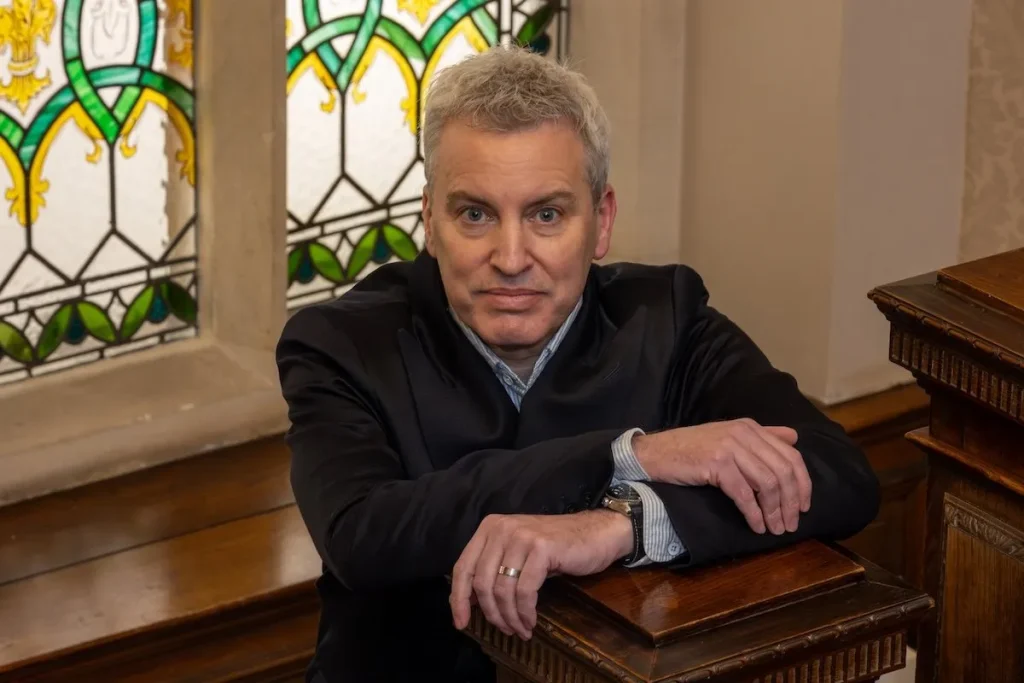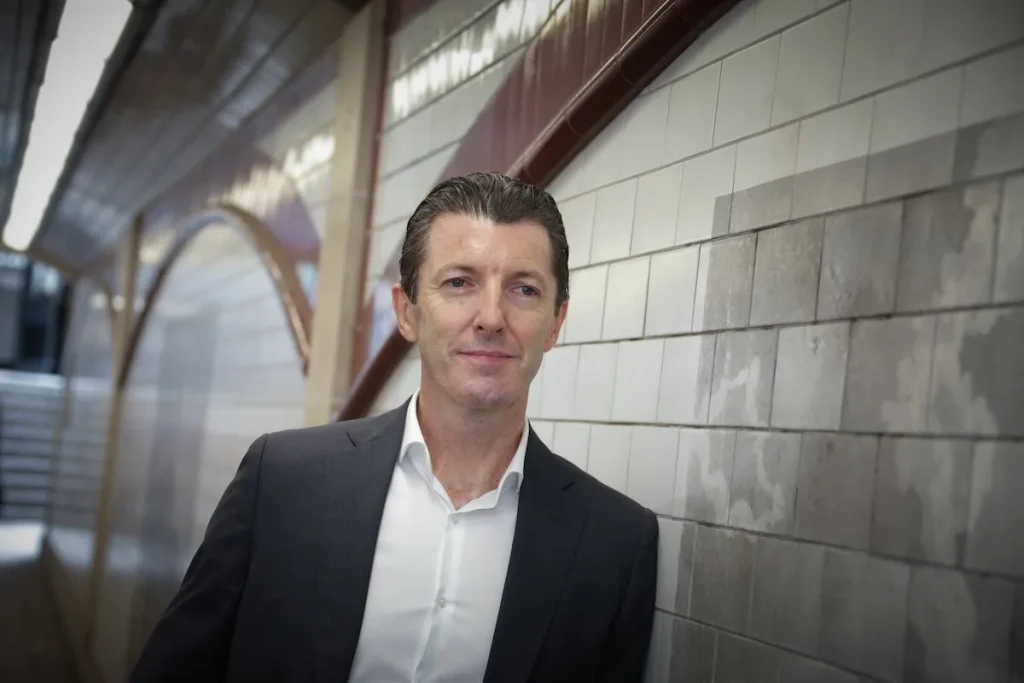

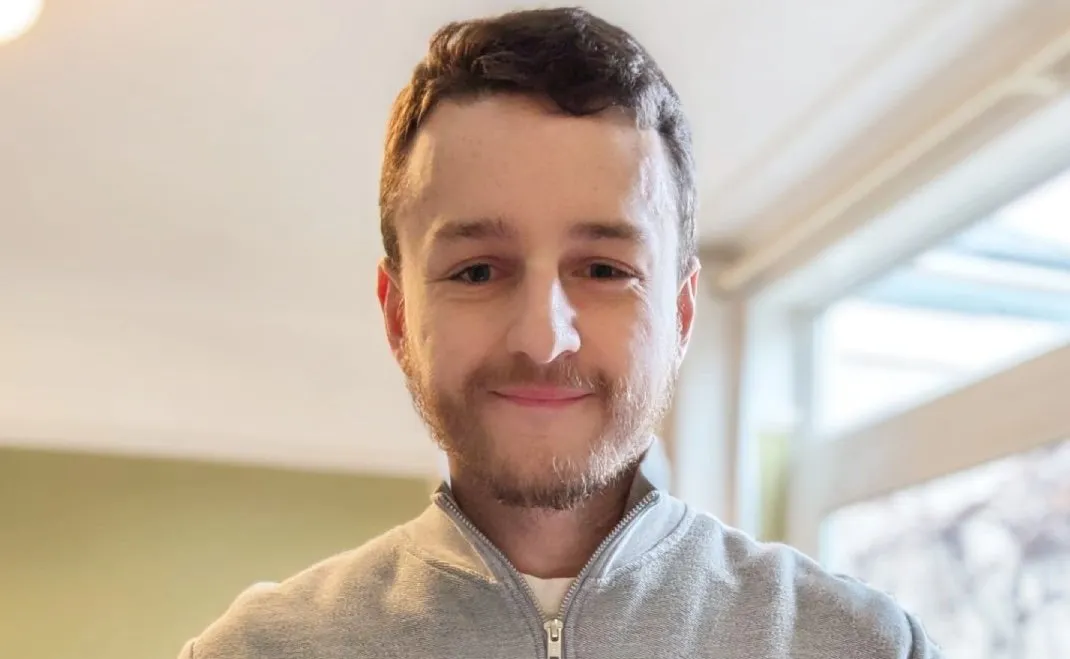
Ronnie Cane, founder of marketing agency Eighteen, (which he exited within three years), and founder of The Neurodiversity Directory, a platform for discovering neurodiversity services globally, not to mention author of The Neurodiversity Book, which came out last year, and loud and proud neurodivergent entrepreneur, was unemployable.
“I knew from a very young age,” he recollects. That age was fourteen, when the aspiring professional rugby player was bed-bound with an injury and started an online fitness clothing business.
A school age entrepreneur
The realisation that working for others, and thus being employable, wasn’t for him, came with the first Black Friday sale. The next day he woke up for school, checked his phone, saw £700 in his PayPal account, and thus experienced the first fruits of business success. “I knew that day that I was unemployable,” he confirms. “When I’m using the word unemployable, I mean I always knew that I would not be happy with it.”
“Not a single day of that time within the workplace was right for me. There was no match, it was a mismatch. Structurally, personally, everything.”
After completing his GCSEs, the former rugby player left school, secured himself a two-year marketing apprenticeship and was firmly in the world of work. But something didn’t feel right. “It was a constant misfit,” says Cane of his workplace experiences. That first taste of self-employed success lingered.
He recalls, aged eighteen, one employer calling him a “feral ADHD f***.” By twenty-one, he had an autism and ADHD diagnosis, largely considered late stage. Three months later, while working as a digital marketing nomad with his partner across Europe, he started his marketing firm, Eighteen. A firm with what he calls “a no bull**** SEO” approach.
Launching Eighteen – the growth story
Headcount growth was fast, and Cane built a seven-person team within the first six months. He then grew and sustained its size until exit three years down the line, building and maintaining an eight-person team of exclusively neurodivergent talent.
Here, he brings up a common mistake people make with neurodiversity. “I used to call them a neurodiverse group,” he says of his team. “But what I meant was an exclusively neurodivergent group. If it was a mixture of neurodivergent and neurotypical, then it would be neurodiverse. It’s an easy mistake to make.”
So, how did he manage to recruit an entirely neurodivergent team? Well, the truth is, he didn’t. They came to him. “I ended up being a magnet for helping them work in a way that they wanted to,” he says. “I’m interested in working the best way for me. So it was a natural fit for both parties. I was able to help them and they were able to help themselves to do what’s right for them in a workplace.”
“I knew that I could exit, so I navigated that and orchestrated it as best for me and my family. So it was a brutal move, it’s completely transformed the company…”
Headcount wasn’t the only growth indicator at Eighteen. In three years it generated over £1.2m in new business for clients, specifically those in the neurodiversity space. Gunning for clients in this sector wasn’t, Cane tells me, a conscious decision. Likely the firm’s openness around neurodivergence made it a natural fit for neurodiversity-aligned firms; call it a form of psychological safety for those who sought a marketing partner that understood their world.
Cane also credits the speedy growth of his first business to years of preparation. “I was more than ready,” he states. “Not a single day of that time within the workplace was right for me. There was no match, it was a mismatch. Structurally, personally, everything.”
Diagnosis and medication, he explains, put him in the right position to go out on his own. Within three years of founding Eighteen, Cane successfully exited and sold his shares. A new business idea was being formed, but it wasn’t smooth sailing to begin with.
Exit and second venture tensions
While starting up his second business, The Neurodiversity Directory, a platform for users to access neurodiversity services globally, his partner got pregnant with their first child and his mentor, a former boss who was exiting his company, took his own life. A challenging and shocking time? Absolutely, Cane confirms. But he pushed on with the directory because he understood the power of coaching.
“I benefitted from that experience so much,” he says. “Before, I didn’t know that coaching existed and didn’t know that the government can pay for it,” he explains. “Now I’m aware there’s more people getting diagnosed, and more people given medication, which they’re given as fuel and told it’s scaffolding, but not given any structure, or coherence or understanding.”
Cane saw the directory as linking crucial solutions to neurodivergent people in need of structured support. But his exit led to tension at Eighteen.
“It caused an internal riff within the company at the time,” he admits. “I knew that I could exit, so I navigated that and orchestrated it as best for me and my family. So it was a brutal move, it’s completely transformed the company. It was very difficult for me but I’ve learned a lot and I don’t regret a single thing because it was right for me in my future.”
The Neurodivetsity Project, is more of a passion venture than a commercial one, Cane reveals. The exit with Eighteen gave him the financial freedom to allow the platform to be “free for all forever.”
Within this busy period, he also managed to write a book. The Neurodiversity Book. Published in November 2025, it’s an account of neurodivergence and references Cane’s own experiences as well as research and findings. It reads like a manual on what neurodivergence is and means: “What I want is for when anyone receives a diagnosis and an information pack they are also given this book.”
Now to the personal, and how Cane sees himself as a neurodivergent entrepreneur. He’s quick to highlight the natural advantages of ADHD in particular, and refers to an experience at a marketing company where a 250 client audit was needed.
The team, he says, managed around one client audit a day, by the time he jumped on, he was averaging between eight and nine. I’d set the standard for myself,” he explains.
Ronnie Cane – the neurodivergent entrepreneur
“I was always able to sit down, put my headphones on and just do the thing,” he says. “Which is you might think, antithetical to the idea of attentional problems. But if there was work to be done and I respected the work, the way for me to do it best was just lock in, but that locking in was me doing what I needed to be more comfortable in the environment that was a structural mismatch for me, an open floor office that required you to be there between set hours. It wasn’t so much a lock in, it was a lock out from everyone and everything else.”
Cane, who is now medicated for ADHD, and extols its virtues, explains how it works by increasing a person’s baseline dopamine and neuroadrenaline levels. Neuroadrenaline, he says, is the messenger of arousal and what makes you alert enough, or aroused enough, to be interested in something.
Dopamine, he adds, is the chemical required to get you somewhere, like the fuel needed to help you complete a task.
“Before I was medicated, a good day would look like me going into the office, having a coffee and being able to put my headphones in and not leak any of what I didn’t already have from a deficit,” he explains. “When people talk about deficit within this neurodivergent conversation, what they mean is from an approach of we are already working from a deficit in our brains. I never had anything to give to others. If I did, I wouldn’t be able to do what I needed to do that day. That can’t foster a very connected life.”
He shares how medication has improved all facets of his life. “Now personally, I wouldn’t be able to be present with my family and to achieve and be across different things that I’m across if I didn’t have this altered baseline. I wouldn’t be able to work, read, be present, to exercise.”
Clearly, no neurodivergent person is the same. Some, like Cane, embrace medication and coaching, others don’t, and that’s down to the beauty of personal choice. But in this founder’s case, just look at how much he’s done.