
The International Federation of Accountants once suggested there were five principles guiding the role and expectations of a CFO. They have to be a key member of senior management; be able to balance the responsibilities of stewardship with business partnership; act as an integrator and navigator; take effective control of the finance and accounting function; and bring professional qualities to the role.
It certainly sounds like a hard pill to swallow, driving home the concept that modern financial leaders need to wear numerous hats.
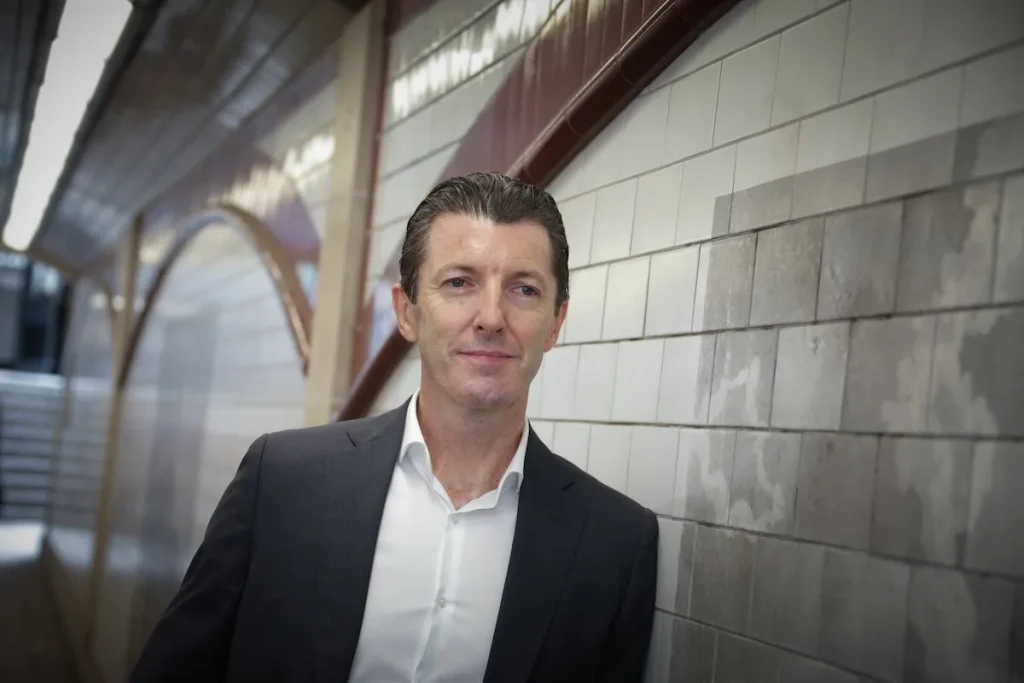
Now imagine the pressure if an FDs firm were to operate in several sectors Its the type of situation that Kajimas Nigel Chism finds himself under. We took this opportunity to ask Chism who served as a financial leader within several industries a range of questions from the various expectations of FDs and how to manage cash flow, as well as a look into the property market. Heres what we found.
(1) Having worked in a diverse range of sectors, did you find that the role and expectations put on FDs varied
Throughout my career, there has been a big difference in the role and the expectations of me as an FD. Take two sectors where I worked PR and property. Whilst the FDs role in PR involves building a supportive platform for the creative team, being an FD in the property sector can be more demanding. The FD is a much more fundamental and enabling role, key to the success of individual projects given the importance of arranging the right funding and optimising budgets.
Its not only the sector or the type of company that different requirements are demanded. For example, where an FD is imposed upon a company, the challenge is to counter the concern that you will be a restrictive influence. Where the FDs role is already valued, the challenge is to meet high expectations. Fortunately, Kajima was a company that saw the importance of an FD and my background and experience in managing a portfolio of PFI companies made me a good fit.
Its often the larger, more established companies that recognise the need for an FD and why he or she is important for the company. However, small firms ought to be mindful of the value of bringing in an FD at an early stage, so that accurate budgeting, forecasting and planning can be done to ensure the growth of the business.
(2) Were there any sectors that proved more challenging than others
Property is a demanding and challenging sector, particularly post-Brexit, where there is considerable uncertainty in the market around investment and valuation. The challenge is to constantly stay on top of the broader market backdrop, which is influenced by factors like GDP growth and the direction of interest rates.
In the public relations and creative industries, the challenges are different. With long-term PFI-type property projects, or even shorter-term commercial projects, forecasting was easier as the time frame is either longer or is under our control. But in, say the PR field, it is difficult to forecast where you will be financially even in a years time, due to variable new business pipelines, turnover of staff, which is typically higher in such service industries, and less certain fees, which can change in relatively short periods of time if the projects or clients service requirements vary.
(3) On your journey to Kajima, what were the most important skills you learned for your role as FD from other sectors
The most important skill for an FD is to ensure that the finance function is embedded in the business and that it is fully geared to support the operational, outward facing parts of the company. It is important to hold regular meetings with heads of departments, to be aware of new ideas and upcoming projects and to support the various teams.
Patience is also a virtue as an FD, as you are often balancing the needs of a broad variety of stakeholders, including senior management colleagues, investors, staff, suppliers and professional advisers. They all have their different perspective on the business and a good FD should be able to recognise this and be quick to address their concerns and issues.
Also key, is to ensure a balanced finance team that complements the full requirements of the finance function, auditing, budgeting, forecasting, modelling etc to ensure that it is fit for purpose to support the overall business.
Continue for Chism’s advice on managing cash flow, as well as insight into the property market.
(4) Is there anything important that an FD looking to get into the construction and property space needs to know about the current market
Currently an FD needs to be aware that post-Brexit the property market is very uncertain. Developers, investors, construction companies are all trying to judge in which direction the market is heading. Valuations are in flux and the level of future investment flows are hard to predict.
So important would be re-assessing inputs into financial models, reviewing funding arrangements in case any of the funding partners, such as banks or other financial institutions are considering varying their terms or the type of projects they would back, stress testing financial arrangements for moves in interest rates and other financial variables. On the construction side, controlling costs and, in particular, with the drop in Sterling, assessing any forex risk on such factors as raw materials and other imported goods costs necessary to a development project.
(5) What would you say are the growing challenges to different businesses units
Following Brexit, there have been significant challenges within the commercial property market, with uncertainty holding back deals and investment. To address this challenge, we have to ensure that we keep a close eye on valuations, pitch for the right developments, monitor costs sharply and not over reach ourselves in terms of returns expected.
The challenges to expanding in the public/private sector partnership arena revolve around ensuring our modelling is right, making sure our payment and repayment schedules are being adhered to, monitoring liquidity ratios on our various projects. Also with new PFI2 model being mooted, we will have to ensure that we can adapt our offer to match any new formula for these projects.
(6) What is the best way to manage cash flow how do you make it sustainable
The best way to manage cash flow is through precise cash flow forecasting. Its an important skill to get right early on because thats what keeps the company running thats particularly true for small or early-stage companies.
The best way to manage cash flow also depends on the industry. In the service industry, it means timely billing and ensuring collection before you have to pay out. With public and private partnership projects, contractual payments can be delayed and it’s vital to build reserves into projects to withstand these issues. Its also a question of timing with PPP projects, we can be working on a 30-35 year timeframe and this is where accurate cash flow forecasting is key.
(7) How are you currently ensuring the growth of the company
As FD it is important I engage with our senior management team to help chart and develop a strategy for growth that maximises our opportunities in the market based on the current landscape across both the public and private sector property arenas. By providing input from an FDs perspective I can help judge whether we can fund and support the strategy that is being developed as well as asses the varying levels of risk that are entailed by the strategic options we are considering.
I am also in constant dialogue with the operational heads across the company, to be aware of the financial needs of current projects as well as potential projects in the pipeline to make sure we have the funding and financial capability in place to deliver them.
Elsewhere, with its innovative business model, Cogress enables its community of qualified users to invest in 10m+ properties with as little as 20,000 so we talked with CFO Paul Israel to gain a better understanding of the real estate sector and his role within the company.