
Your business name is at the heart of your brand. It is the main recognition tool for customers and suppliers alike. It identifies you and represents your values and strengths.
So deciding to change it is a major step which needs careful planning and sensitivity.
Real Business spoke to four business leaders who made the decision to change names. Why did they feel the need to do it, and how hard was the process
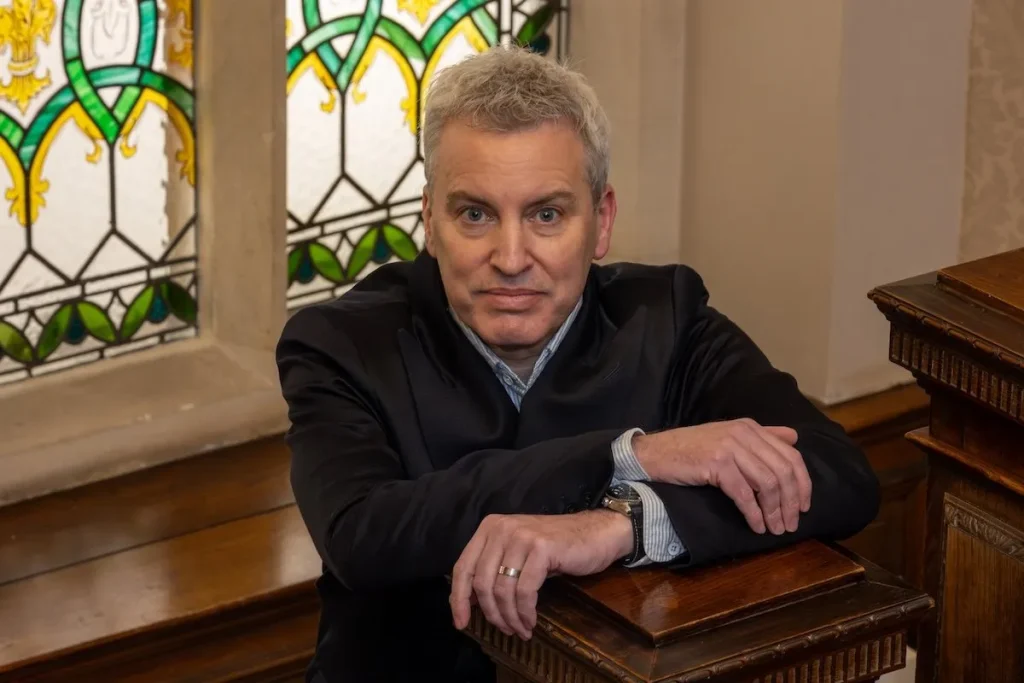
(1) Lifesum
The Swedish health and fitness app made the change from its original name of ShapeUp Club in December 2013. CEO Henrik Torstensson told us all about it.
Why the name change
We wanted the brand to focus on holistic health rather than just “shaping up”. The change reflected our goal to help people around the world become happier and healthier, rather than focusing on aesthetic fitness. It also reflected our international ambitions, as we were growing rapidly.
It had been pointed out to us by a native English speaker that “ShapeUp Club” sounded more like a morning exercise routine on a bad holiday than a health and fitness app. It didnt seem to conjure the premium associations we wanted, so we refined it.
What was the process like
I gave everyone in the management team a deck of post-it notes and asked them to write down 100 different names each. We then all gathered in our COOs summerhouse in Sweden and plastered the notes all over the walls and windows.
After many qualifying rounds we boiled the list down to six favourites. Then came the administrative process of seeing which names were legally viable, when it came to domain regulations and other technical aspects. We announced the new brand “Lifesum” in December 2013, immediately prior to the new year period when peoples thoughts turn to health.
Was it easy
It was definitely challenging and at times pretty nerve-wracking. In hindsight though, we achieved exactly what we wanted from the process and so it was more than worth it.
Did it cost a lot
No as we did nearly all of the work ourselves. For very specific tasks, we used advisors.
What were the risks
Our main concern was that we would lose a proportion of our existing customers when we switched over. Fortunately, this didnt happen, in part because we communicated the change heavily through our own channels so that all our users knew it was coming and understood our logic.
How did employees/customer engage with the new name
Both our employees and customers liked the new name a lot, particularly internationally. As you would expect, not everyone was on board at the start but in the end the majority of people came round to the change.
We kept all the processes (e.g. logo design) as transparent as possible so that everyone was in the loop. That way we all warmed to the new brand together. The new name matched our ambition perfectly.
Read more about the subject:
- What’s in a name: Choose your business name carefully
- The five best, and five worst, rebrands of recent times
- Five signs your brand is in need of a refresh
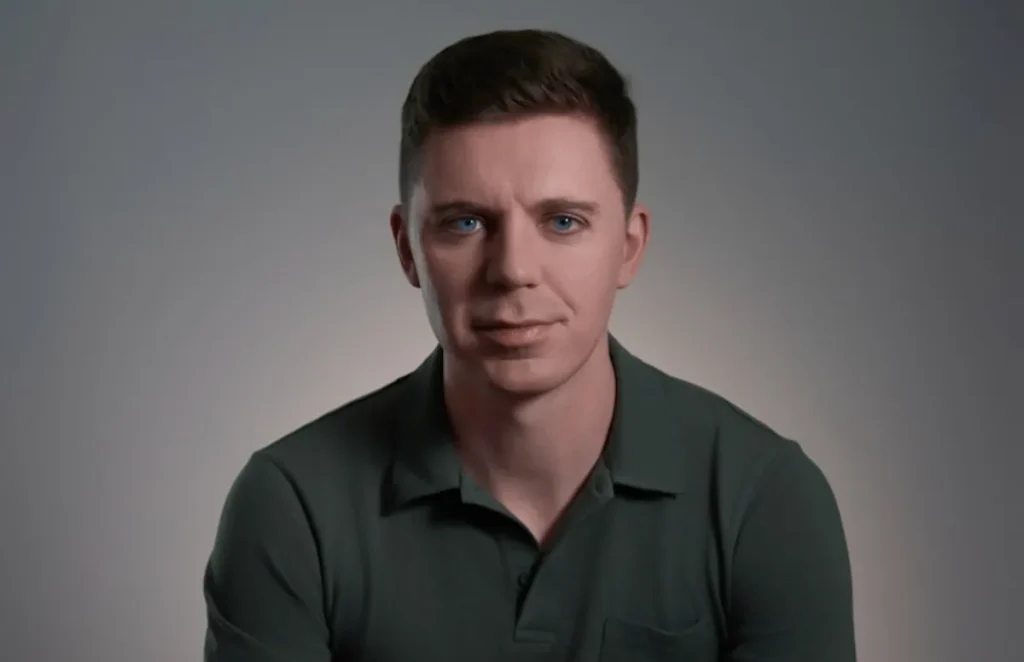
(2) Handy

The on-demand cleaning and DIY service, which launched in the UK last year after buying Mopp, changed its name from Handybook. A spokesperson from the company let us know more detail.
Why the name change
Some people genuinely thought that “Handybook” was a type of book! Though of course not the only reason, we decided that the name did not match the simplicity and clarity of our app.
We wanted something that could become a verb and that had the catchiness of the likes of Google and Skype. Handy is not a listings service but some people thought it was. We wanted the new brand to focus on the actual services provided and to do so we had to ditch “the book”.
What was the process like
Measured. We decided in-house on the Handy name before approaching the owner of the existing url. That was a German mobile phone company who, after some negotiating, handed over both the domain and the Twitter handle to us. Once this was secured we went to a branding agency to make sure it was done in the right way which it was.
Was it easy
We did extensive testing on consumers across the board, which was met with a great response. This confirmed we were doing the right thing. We also did a competitive audit of other brands in the space, to see what worked and what didnt. There is so much in a name, both actively and subconsciously, that it was worth taking our time.
What were the risks
We had to make sure we didnt lose the value of the existing brand. It was a tactical transition, but one we were fully aware could backfire if we werent thorough enough. That said, it was all handled incredibly carefully and, thanks to excellent planning, by the time wheels were in motion, we were quietly confident that people would love Handy.
How did employees/customer engage with the new name
People really liked that the new logo was an ambigram, and so read the same upside down. It was a huge success.
Was it beneficial
Yes, of course. The new name is much more catchy, our brand recognition is much sharper and it has generally been conducive to wider awareness of what Handy is about.
Read on to find out about two further changes one to have better global understanding and the other due to copyright infringement.
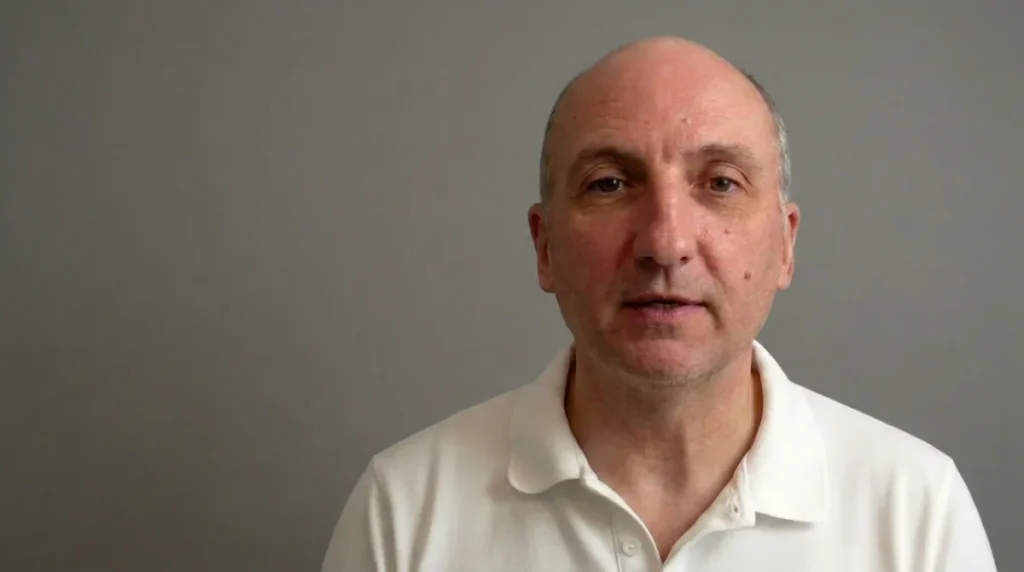
(3) PCA Predict

Formerly Postcode Anywhere, founder Guy Mucklow explained why he took the decision to go with a new brand and name in 2015.
Why the name change
We began 15 years ago as Postcode Anywhere, a name that we felt neatly did “what it said on the tin”. We stuck with the brand as it was memorable and helped us to grow, attracting many very loyal customers.
However, whilst we were heavily invested in our brand, it didnt travel very well; for example, Americans know postcodes as zip codes. So with big ambitions to grow internationally and a whole suite of new data services up our sleeve, we had to have a rethink.
Our new name is PCA Predict which we chose because some already referred to us as PCA, presumably because Postcode Anywhere is a bit of a mouthful, and “Predict” neatly describes our innovative address search tool “Capture+” and our new predictive analytics tool, Triggar. There was another important bonus which was that the domain name was also free.
What was the process like
Having a busy calendar of marketing events already planned in the US, we needed to rebrand very quickly. It was a challenge for all the teams involved because there were so many places to change the name from obvious things like the website to business cards, social profiles, and our event uniforms.
We agreed a deadline and the minimum set of tasks required to be completed by this date and everyone put in extra hours to get it done.
Was it easy
We turned the rebrand around in record time but not without a great deal of hard work from everyone involved. There was of course impact on other projects which had to be delayed while this work was done.
Did it cost a lot
Were lucky enough to have brilliant in-house design, marketing and web development teams so we could do almost everything ourselves. Of course there are the usual printing and merchandise costs but, being a technology company, we dont normally carry a large stock of printed collateral. The main cost for us was changing exhibition materials and an advertising campaign to gain exposure for the new brand.
What were the risks
Rebranding is always a risk, as there’s often a huge investment and goodwill behind the previous brand. The main risk is that your customers won’t like it. We sent out over 20,000 emails to our customers informing them ahead of time of the name change and the reasons for it and received only 15 replies, a few of which didn’t approve.
For us that was ample proof that we were doing the right thing. Besides loss of recognition there are other considerations like how well the new website will be found by search engines and by people who still search for Postcode Anywhere.
How did employees/customer engage with the new name
A couple of weeks before the rebrand was rolled out we told customers and staff about our plans and the reasons behind the new name, we invited their feedback and listened to what they had to say.
In the main the new name has been well received, customers who didnt like it told us they would remain loyal because of our quality of service. You can’t please everyone all the time but were happy with the reception weve had when we meet new people across the pond.
Why Postcode Anywhere decided to become an employee-owned business
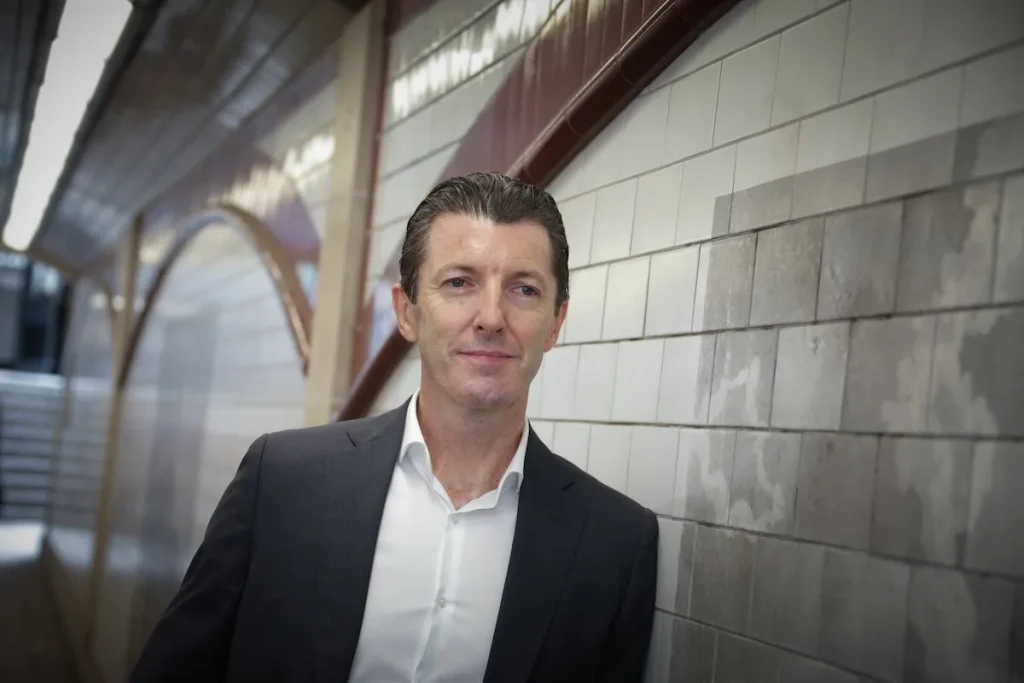
(4) OFF3R

Lex Deak, founder of crowdfunding platform aggregator Off3R, changed up from the original name tendr over the summer.
Why the name change
We were aware that there was a US firm called tendr, but it was a different country and in a different business space so we thought it would be okay.
However, our launch got such a great reception that it was picked up by the US news channels and spread far. We ended up getting some letters from the US tendr indicating that a legal process could follow.
What was the process like
We wanted to focus on good news and growth without this issue hanging over us. It was not an ideal thing to do for a two month-old company and it was a complex and costly process.
The greatest cost though was in the time and effort of coming up with a new brand ASAP. There was some stress involved in that. But our closeness as a team helped as did the fact that the brand was so new that it had not established a huge culture behind it. My advice is make the change as quickly as possible and make the message of change as positive as possible.
Meet tendr – The crowdfunding platform aggregator hoping investors will swipe right