

Securing investment from the Dragons Den is beyond most of the entrepreneurs who enter the BBC TV show, with its famously shrewd businessmen and women rejecting any ideas they dont see as commercially viable.
Yet new research from Company Check has identified four businesses that overcame rejection from the Dragons and have gone on to become multi-million-pound success stories.
Compiled using data from Companies House, the research shows that investor rejection doesnt necessarily mean the end for a business idea, and that even the Dragons can’t get it right every time.
1. Hungry House
Turnover (2014): 11,989,927
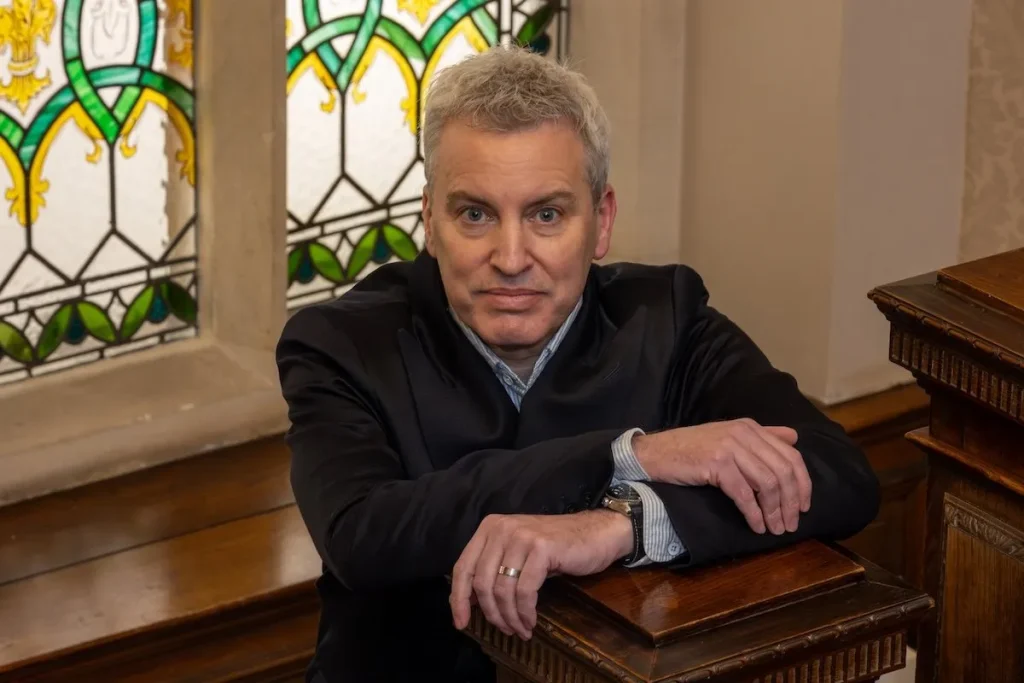
Shane Lake and Tony Charles appeared on Dragons Den in 2007 to present their idea of an online takeaway order and delivery service called Hungry House.
They were asking for 100,000 for 11 per cent share in the business. After a strong presentation to the Dragons, James Caan and Duncan Bannatyne offered them all of the money but for 50 per cent of the business, with a clause to reduce the percentage if they hit their proposed targets.
Unfortunately the deal fell apart after the show, as 50 per cent of all Dragons Den deals do. The Hungry House website reports that two private backers later approached with an offer of 150,000 for a lower percentage of the business.
Eight years later London-based Hungry House turned over 11,989,927 and employs eight people.
Read more about Dragons’ Den here:
2. Trunki
Turnover (2014): 8,130,038
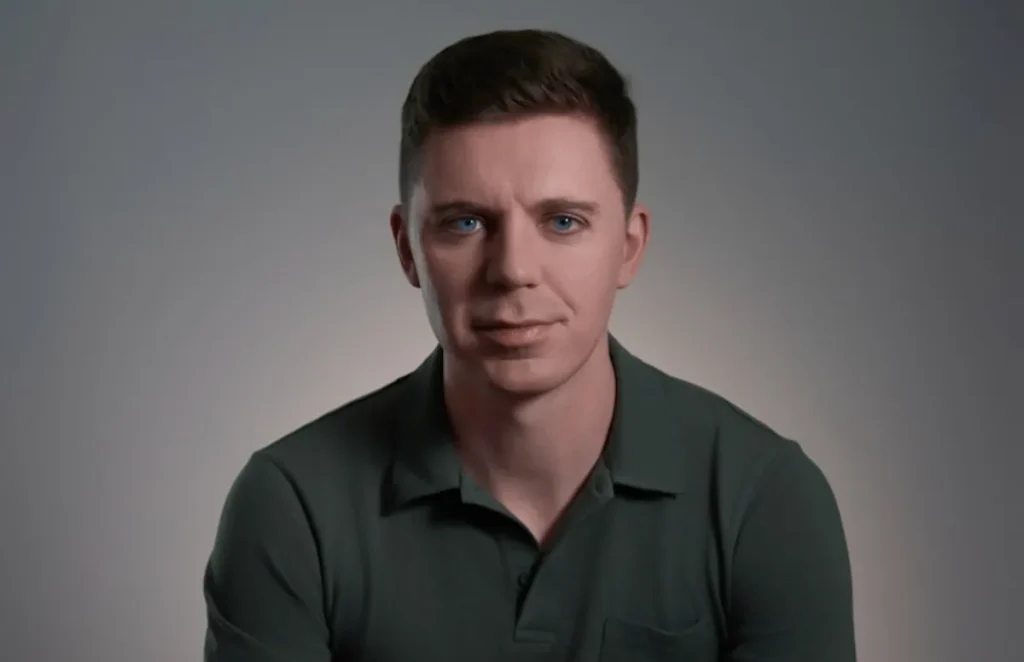
The pitch was already going badly for entrepreneur Rob Law in 2006 when Dragon Theo Paphitis broke the handle used to tow his ride-on suitcase for children. Robs request for 100,000 for a 10 per cent share was met with across-the-board negativity as the investors questioned the quality of the product and the numbers behind the business.
Seven years later, Trunki is a global brand and its parent company Magmatic filed turnover of more than 8m in 2013, despite competition from similar products emerging on the market. According to the Magmatic website, Dragons Peter Jones and Duncan Bannatyne have both expressed regret at not investing in the product when they had the chance.
Discover the two other Dragons’ Den rejects that have become multi-million pound success stories on page two…
3. Tangle Teezer
Turnover (2014): 14,413,388
After a disappointing performance on Dragons Den back in 2007, Shaun Pulfrey, the entrepreneur behind Tangle Teezer, is now having the last laugh as his invention brought in nearly 15m in turnover in 2014.
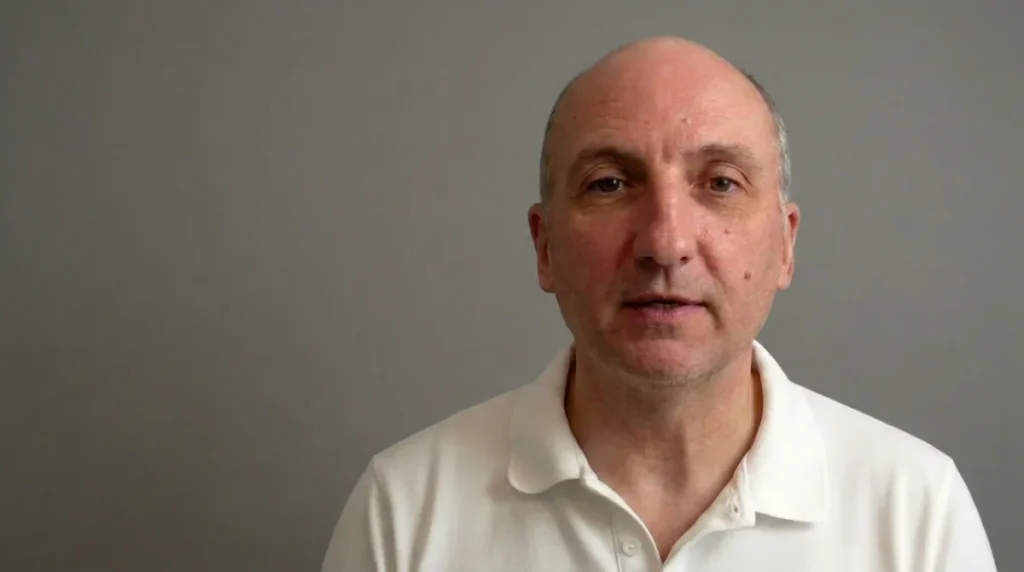
Shaun originally pitched for an 80,000 investment with a 15 per cent share of the business but was turned away by the Dragons; disappointed by the entrepreneurs apparent lack of grasp on his numbers.
Today however, Tangle Teezer is an international brand and boasts famous fans including Victoria Beckham and Cara Delevigne. Last year it was employing 15 people and turning over 14,413,388.
4. Tech21
Turnover (2014): 22,551,362
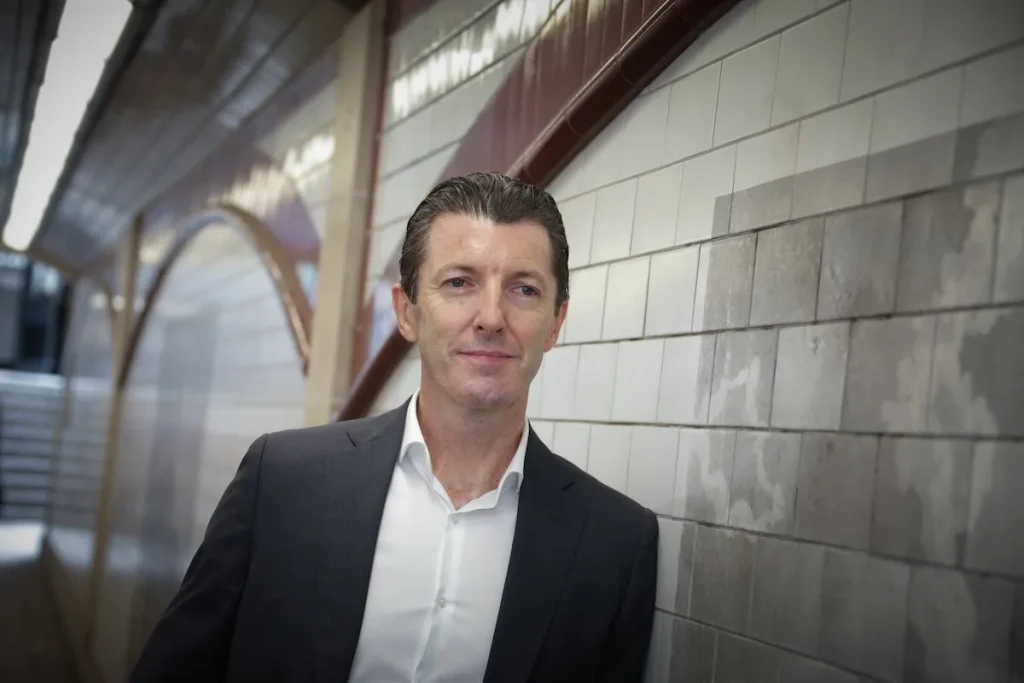
Jason Roberts pitched his business, Tech21, to the Dragons back in 2009, asking for 150,000 in exchange for a 5 per cent share.
The company, which produces phone and laptop cases enforced with D30, a smart material capable of absorbing shock on impact and not damaging expensive gadgets, was turned down by the Dragons.
Six years on, Jason has collaborated with Apple and is currently turning over 22,551,362 with the help of 36 employees.
The lesson we learn from these firms is that Dragons Den failure doesnt necessarily mean business failure. Most importantly of all, these four entrepreneurs believed in their business idea so much that they carried on despite the setback,” says Company Check founder Alastair Campbell.
Starting a business is daunting. Therell always be those niggling doubts from the naysayers and it’s no surprise that so many startups fail when faced with setbacks and rejection. But as these four success stories show, success can be achieved through perseverance.