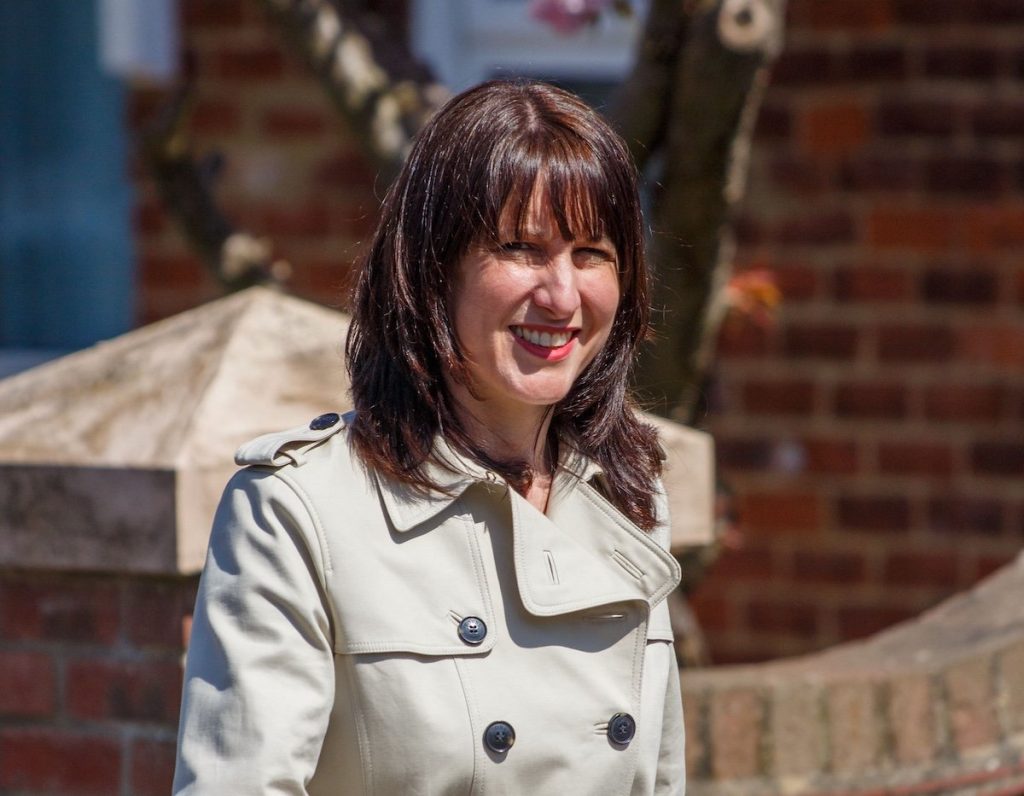

Whilst the Chancellor may be red-faced following the OBR forecast being published early in error, Rachel Reeves still stood in Parliament just after 12:30pm as planned – despite us all knowing what she was about to say already. Tax increases were an inevitability, so it’s no surprise that Chancellor Rachel Reeves made the announcement just now that tax increases are incoming – to the tune of £26bn by 2029-30. Although there are no immediate plans for raising Income Tax as previously feared – which would have been a huge blow to Labour given their Manifesto pledge to not raise Income Tax – many critics will say the threshold freeze causes more people to pay Income Tax for the first time and many more to pay higher rates. So, what announcements made today directly impact SMEs in the UK?
Minimum Wage
Rachel Reeves already announced that minimum wage would be increasing in April 2026 on Tuesday in a video address ahead of today’s budget. Sceptics might suggest that she made the announcement early because she wanted the headlines prior to her announcements today to be more positive. Announcing it with the rest of the Budget could have meant her minimum wage announcements were lost in the more negative stories. Given the blunder of the Budget essentially being published early, the government will be glad that they at least got some headlines focussing on the minimum wage rise. Regardless, a minimum wage increase is good news for workers, but potentially a worry for business.
As it stands now, come April 2026 minimum wage changes will be as follows:
- Over-21s – an increase from £12.21 to £12.71 an hour
- Workers aged 18 to 20 – an increase from £10.00 to £10.85 an hour
- 16 and 17-year-olds (and apprentices) – an increase from £7.55 to £8 an hour
Why might businesses be worried about minimum wage rises?
Our experts have spoken to many SME owners and business managers in the run up to the Autumn Budget. We wanted to know their fears and their hopes, and for many, another rise in minimum wage was chief amongst those fears – but why?
A rise in minimum wage is good news for workers who rightly want to be paid as much as possible, but that adds additional pressure to business owners who have to find the additional money from somewhere even during the UK’s cost of living crisis and an economy that isn’t growing as fast as anyone would like.
Business leaders are warning that this could lead to loss of jobs and hiring freezes for businesses struggling with their finances during this difficult time for many.
Income Tax & National Insurance
Previous fears around a rise in Income Tax proved to be mere speculation, but Rachel Reeves did announce an extension to the Income Tax and National Insurance thresholds beyond the planned previous 2028-29 deadline. Now the freeze will remain in place until 2030-31.
Currently the thresholds are:
| Band | Taxable Income | Rate |
| Personal Allowance | First £12,570 earned | 0% |
| Basic Rate | £12,571 to £50,270 | 20% |
| Higher Rate | £50,271 to £125,140 | 40% |
| Additional Rate | Over £125,140 | 45% |
What does a freeze on Income Tax & National Insurance Thresholds mean for businesses?
Although not necessarily an issue for businesses directly, an extended freeze on the thresholds at a time when minimum wage has been raised for a second year running, will mean that more workers than ever will be pushed into paying basic rate and higher and additional rate Income Tax.
By the end of the freeze it could generate an estimated £8 billion for the Exchequer according to the OBR report – so more workers will be pushed into paying more tax. That’s the long and the short of it, even if the government managed to keep their promise of not raising the Income Tax rates.
Navigating these changes for your workers will require strong communication and reassurances to them that you’ll discuss any potential pay changes with them – especially if it’s likely to push them into a higher tax bracket which they might not fully understand.
Openness about the Budget with your workers is key. If you need help wrapping your head around it, sign up for Prosper²’s post-budget webinar tomorrow at 11am to get more detailed analysis about what it all means for businesses so you’re set to discuss it with your workforce over the coming days.
Limits On Salary Sacrifice
Along with the other news, the Chancellor announced that limits on salary sacrifice for pension contributions will now be put in place. Previously your employees could sacrifice any portion of their salary to build a stronger pension pot and they’d also avoid paying tax and national insurance on this.
However, under the proposed changes salary sacrifices amounting to more than £2,000 each tax year would then be subject to national insurance – effectively closing the loophole currently in existence.
Notes for your workers on pension contributions from 2029 onwards
If you have individuals nearing the end of their time with you and considering their retirement plans, then you may have some workers who are currently sacrificing a large portion of their salary each month in order to protect themselves after they retire with a larger pension pot.
It’s important that the changes announced today are communicated to them so they know that not everything they sacrifice will be going straight to their pension pot – some will now be taken as national insurance contributions from 2029 onwards.
Youth Employment Guarantee
In an effort to get more young people into work, the Chancellor has also announced the Youth Employment Guarantee. Under this guarantee, young people who have been out of work for 18 months or more will be given a paid placement to help find employment.
As part of this announcement Rachel Reeves also announced that the cost of apprenticeships for under 25-year-olds will be completely free for SMEs, meaning more small businesses can invest in future talent without the burden of part-funding the apprenticeship.
Final Thoughts
We haven’t covered everything today. The Autumn Budget influences everything from financial bodies to personal households, businesses to what’s ultimately in your bank account. At Real Business we focus on what it all means for SMEs in the UK, but other things announced today will still affect your employees. Taxes on electric vehicles from April 2028, increased taxes for larger properties (the so-called Mansion Tax now due in April 2028), and changes to the two-child benefit cap being removed will all impact your employees too.
As a business leader it’s your job to steady the ship during this time. Previously we had no clear plan – but today, whether you’re a fan of the Budget announced by Rachel Reeves or not – there is a plan in place. We know some of the biggest changes that will affect households and businesses moving forwards, and now you can steer your business through that.
Whichever side of the fence you sit on, there’s no denying that the pressure on business hasn’t eased, the cost of living crisis is still plaguing us all, and there are tough times ahead as the Chancellor tries to pay down National Debt and encourage economic growth. But with strong leadership, you can push your business towards that growth and prosperity, so long as you prepare for the incoming changes.