
The process of starting a business 20 or 30 years ago was a well-trodden and inescapable path: you needed to go to your high street bank, request a loan or overdraft, and fill in a lengthy application to prove your credentials. Hopefully you passed the test, and you would be provided with capital on a fixed interest rate, as well as repayment terms detailing installment amounts and timings.
However, banks have always had a conservative approach to lending, particularly when it comes to small and medium sized businesses, which can be seen as too risky due to a lack of assets or experience.
This has improved somewhat with the introduction of various schemes by the UK government to encourage banks to lend to SMEs: figures released by the Bank of England earlier this month showed that whereas in 2014 bank lending to SMEs fell by an average of 500m every quarter, this year net lending from banks to small and medium-sized enterprises through the Funding for Lending (FLS) scheme increased by more than 600m in the first quarter of the year and 490m in the second quarter.
However, there are still considerable constraints on lending, so SMEs and innovative start-ups are turning to alternative finance solutions.
Alternative solutions
The diverse range of solutions under the umbrella term of alternative finance from crowd-funding and peer-to-peer lending to corporate cards are all providing much-needed capital to help manage the working capital challenge, without following the traditional path.
As we know, these forms of alternative finance are providing SMEs with new ways to extend their cash flow, fund operations and support reinvestment in order to fulfil growth aspirations. However, they are also helping to make businesses fundamentally more entrepreneurial.
On a basic level, having better access to finance makes it a lot easier to start a business and this means new organisations, products and services helping to create a general sense of optimism and entrepreneurship.
For example, independent craft beer firm Brewdog created a buzz earlier this year when it raised a record 5m in the first three weeks of its crowdfunding round. Even seasoned entrepreneurs appreciate the benefits of these non-traditional sources of funding: easyJets Sir Stelios Haji-Ioannou raised an impressive 1.42m in an oversubscribed Crowdcube round for his new business easyProperty in September 2014.
Encourages entrepreneurial thinking
These alternative finance sources are also making businesses themselves more entrepreneurial, which is reflected in how they function internally.
Continue reading on page two…
In an environment of ever-increasing competition, sales revenue of course remains crucial. Yet, by also having to source, manage and reinvest new finance assets, finance and business leaders are having to leverage different ideas and strategies without just following the traditional obvious route.
As a result, business leaders are also looking for more atypical options when it comes to their broader commercial strategies as well as their financial ones.
Not only do businesses using alternative finance solutions have to learn new practical skills and follow new processes, but they also need to adopt a more creative and dynamic approach when it comes to managing stakeholders. For example, social media and marketing activities are important influencers for crowd-funding campaigns, whereas targeting individual investors can require strong communication and relationship-building skills.
Whats more, it can take weeks or months before funds from traditional bank loans reach a business account, if even successful at all, whereas alternative finance can be agreed on the same day.
This much quicker turnaround is compelling businesses to be more reactive and adopt a faster pace of doing business. However, the principal benefit of having an extra line of credit is having greater flexibility.
For example, companies be more proactive, trying out different approaches that they may not have considered previously, or can seize an advantageous situation or investment opportunity such as low stock prices.
There are of course important considerations and potential complexities when it comes to alternative finance: companies need to consider carefully the different options available, what is right for them, and then implement new solutions without upsetting their principal banking relationship as this will always, inevitably, remain important.
However, these new funding sources are proving beneficial not only in terms of operational efficiency, flexibility and ease of use, but they are also having a positive influence on the state of business confidence and entrepreneurial spirit among British SMEs.
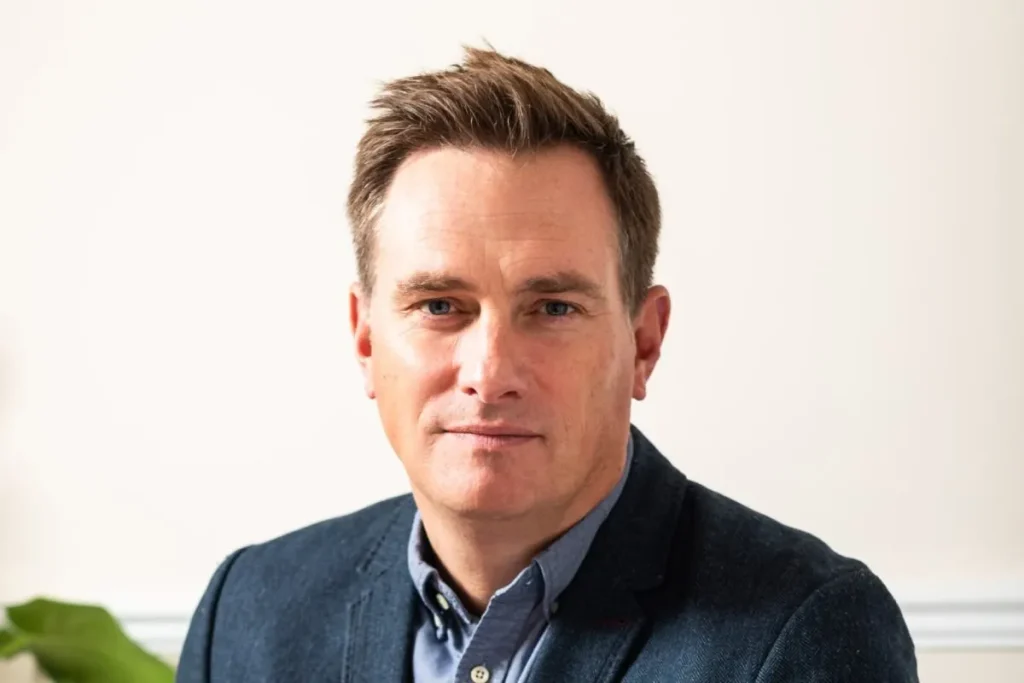
Alan Gillies is VP sales at American Express Global Corporate Payments UK.