

Its been suggested that FDs have seven hats, which enable them to become the storyteller, co-pilot, magistrate, consigliere, engineer, muse and rescue service of a company. However, you can’t take a seat at the table without outstanding core financial skills no matter how well you wear those seven hats.
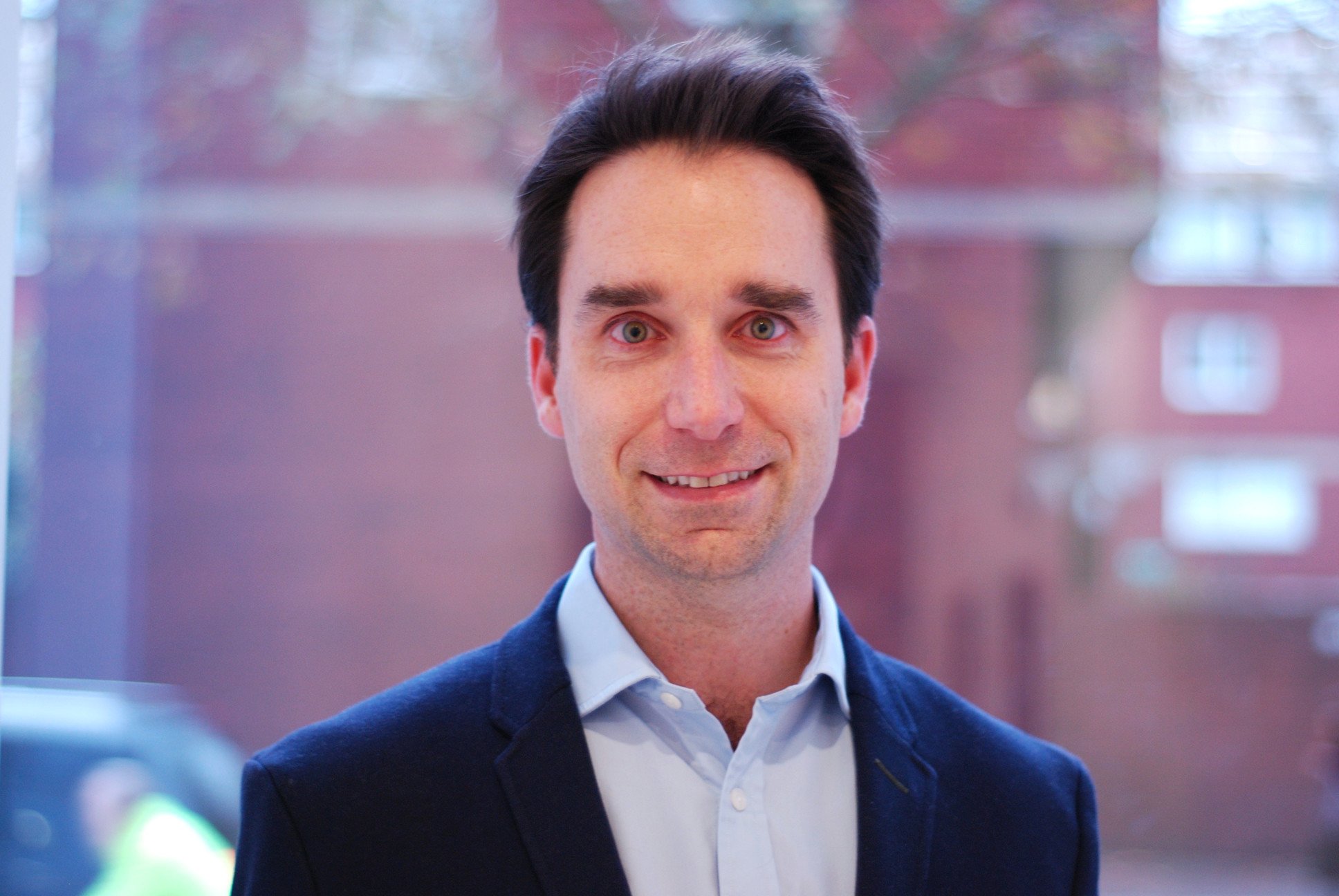
Curious about the key skills necessary to successfully navigate such an expansive landscape, Real Business talked with Graham Crowe, the FD of TotallyMoney.com a comparison site exclusively focussed on credit products and helping customers get better, fairer credit deals since 2007.
Here is what we learned about the FDs role in the tech sector and the key hurdles the financial team need to overcome if they are looking to scale a company.
Id love to hear more about the companies youve worked for in a financial role, and what the many lessons were you learned at each.
My first senior financial role was at Iglu.com, which specialised in selling ski holidays. At the time, Iglu.com was a pioneer in online travel and one of the first travel websites to make any money. My previous roles at FTSE 100 companies focused on revenue and profit. At Iglu.com I quickly learned the importance of effective cash flow management as I no longer had the safety net of a group function to bail me out if the going got tough.
I also learned to appreciate the importance of building a diversified portfolio. If there was no snow in Europe, our sales suffered. To mitigate the risk, we invested in building the cruise side of the business, which has many similarities to ski holidays but is not as seasonal.
After Iglu.com, I became the first FD of the Pension Protection Fund (PPF). The PPF is an investment fund set up by the UK government to protect members of under-funded final salary pension schemes when their employer goes bust. With a bigger team at the PPF, I learned the importance of setting a specific vision and strategy for finance which could help me explain how we would support the business strategy. The finance team vision also enabled me to highlight specific behaviours which I value such as always looking to improve processes through better use of technology.
The public responsibilities of the PPF required a significant level of independent oversight of our decision-making processes. I learned the importance of effective stakeholder management and of developing an open communication channels, particularly with the chair of the audit committee.
Having ensured growth while working with the likes of the PPF and Iglu.com, what would you say were the key hurdles that any FD needed to overcome to scale a company
The first hurdle is to ensure the business has sufficient funding to scale. At TotallyMoney.com it took us over two years to develop our cards comparison platform. We were fortunate in that we did not require additional funding from our backers because we had already built a highly cash generative affinity card portfolio to fund our plans.
An FD also needs to be brave about upgrading accounts systems, even if it means accepting the risk of changing software provider. Understandably entrepreneurs dont tend to focus too much on the choice of accounting software when theyre setting up their business. At both Iglu.com and TotallyMoney.com we needed to change the accounts software and re-design the chart of accounts to enable the scaling of financial control and reporting processes.
Read on for Crowe’s take on what it’s like to be an FD in the tech space.

What would you deem to be the key skills needed for an FD looking to scale a company with similar success
Good communication and influencing skills are a must. The FD should be able to effectively explain to non-finance people the risks and issues associated with rapid growth.
The FD also needs to be forward thinking, have a strong grasp of the financial planning process and the ability to identify the key growth drivers. Theres also a need to be comfortable with the detail of financial models to ensure they deliver outcomes that accurately drive business decisions. Its also important for the FD to have a curious mind-set and the ability to build trusting relationships with the CEO and fellow management.
Whats it like being an FD in the fast-paced world of technology
Its great fun. Tech startups like TotallyMoney.com are now attracting the brightest talent who are excited to be involved in developing new products and challenging the status quo. Working with smart people every day helps ensure Im always learning.
Data-lead decision-making is always at the heart of a tech business. From an FDs perspective, knowing our tech and marketing teams are using data rather than opinions to assess performance and inform actions on a day-to-day basis helps me to mitigate the risk of over-investing resource in products or online campaigns which are unlikely to deliver a return.
Do you think the role of FD has changed in recent years, and how so
Ive read some articles about how the role of the FD has become broader with responsibilities extending to HR and legal. My view is the FD role, at least when working in private equity-backed businesses, has always been broad. Whilst I still have friends who are surprised that I get involved in HR matters, I do think the perceptions of the FD role are catching up with reality.
How do you ensure a company is fully compliant in its day to day operations
Compliance begins with the Management team. Its our responsibility to set a culture which encourages staff to understand the importance of compliance and how to manage the balance of working in an agile way whilst having appropriate controls in place.
At a day to day level, we have a specialist head of compliance who works full time alongside our tech and marketing teams. Our head of compliance personally trains all our new joiners and provides regular re-fresher sessions. We use Podios workflow solution to manage and document compliance approval of all our new product releases and marketing campaigns.
Elsewhere, with its innovative business model, Cogress enables its community of qualified users to invest in 10m+ properties with as little as 20,000 so we talked with CFO Paul Israel to gain a better understanding of the real estate sector and his role within the company.
Image:?Shutterstock