
We’re told that since 2019 there’s been a dramatic rise in the number of working-age people being signed off work, tens of thousands more every year, driven largely by stress, anxiety, depression, and young people struggling to make the jump from education into employment.
Now look, I’m not dismissing mental health. It’s real, it matters, and anyone who’s been through it knows it can knock you sideways. I’ve seen it up close in business and in life. But here’s the question no one seems willing to ask, what suddenly changed in 2019? Because last time I checked, the modern world didn’t start then.
People had stressful jobs in the 80s, 90s and 2000s. They worried about money, relationships, job security, all the same pressures we hear about today. In many cases, they had fewer safety nets than people do now. Yet somehow, we’re being told those same pressures are now stopping significantly more people from working. That doesn’t pass the common-sense test.
So what’s really going on?
“That’s not purely a mental health crisis, it’s a system failure. We’ve undervalued practical skills, overlooked vocational routes, and created a gap between education and employment that too many fall into.”
Part of it is cultural. We’ve shifted, gradually but noticeably, from a society that encouraged resilience to one that increasingly validates withdrawal. If you feel overwhelmed, the system’s first instinct isn’t always to support you back into work, it’s to remove you from it. That might feel like the right short-term answer, but it creates a long-term problem. Because once someone is out of the routine, the structure, and the social side of work, it becomes much harder to return.
There’s also a question of incentives. If the system makes it easier to stay out of work than to re-enter it, even unintentionally, then we shouldn’t be surprised by the outcome. Most people don’t wake up wanting to be out of work, but if the pathway back feels unclear, unsupported or even risky, many simply don’t take that step.
Then there’s the transition problem, and this is a big one. More young people are leaving education without a clear, confident route into employment. They’ve been sold a fairly linear story, go to university, get a degree, and everything else will fall into place. But the reality is far more complex than that. When that expectation doesn’t match the outcome, it knocks confidence.
You end up with young people drifting, unsure of their direction, unsure of their value, and unsure of where they fit in the world of work.
“Across sectors, employers are looking for people who simply aren’t there. And yet we’ve got a growing number of working-age adults sitting on the sidelines. That disconnect should concern all of us.”
That’s not purely a mental health crisis, it’s a system failure. We’ve undervalued practical skills, overlooked vocational routes, and created a gap between education and employment that too many fall into.
But there’s another uncomfortable angle here. Historically, illness spread through populations via air, water or contact. You caught something, you passed it on. Now we’re told we’ve got a mental health epidemic. Fine. But epidemics don’t just appear out of nowhere, they spread.
And today, we live in a world where everything is shared instantly. One person talks about struggling, then another, then another, and before long it becomes the dominant narrative. You hear it everywhere, people are stressed, people are anxious, people can’t cope.
The risk is that this becomes self-reinforcing. Not because people are pretending, but because expectations shift. The threshold for what feels unmanageable moves. If everyone around you is saying they can’t cope, it’s only natural to start questioning your own ability to cope as well.
At the same time, businesses are crying out for workers. Trades are short-staffed. Construction can’t build at the pace the country needs. The NHS is under pressure and struggling to recruit. Across sectors, employers are looking for people who simply aren’t there. And yet we’ve got a growing number of working-age adults sitting on the sidelines. That disconnect should concern all of us.
Employers also have a role to play here. Good businesses understand that supporting people isn’t just about time off, it’s about creating environments where people can cope, grow and feel valued. That means better management, clearer progression, and being honest about expectations. Work shouldn’t break people, but it should challenge them. That’s part of what gives it meaning.
We need to get real about this. Support people, absolutely, but also expect something in return. Help people into work, not away from it. Build clearer pathways from school to employment. Give young people options that actually lead somewhere. And make sure the system is designed to encourage participation, not long-term disengagement.
Because if we don’t, this doesn’t just become a social issue, it becomes an economic one. A country where fewer people work is a country that struggles to grow, to fund its services, and to compete. And ultimately, we’re not just failing individuals, we’re holding the whole country back.
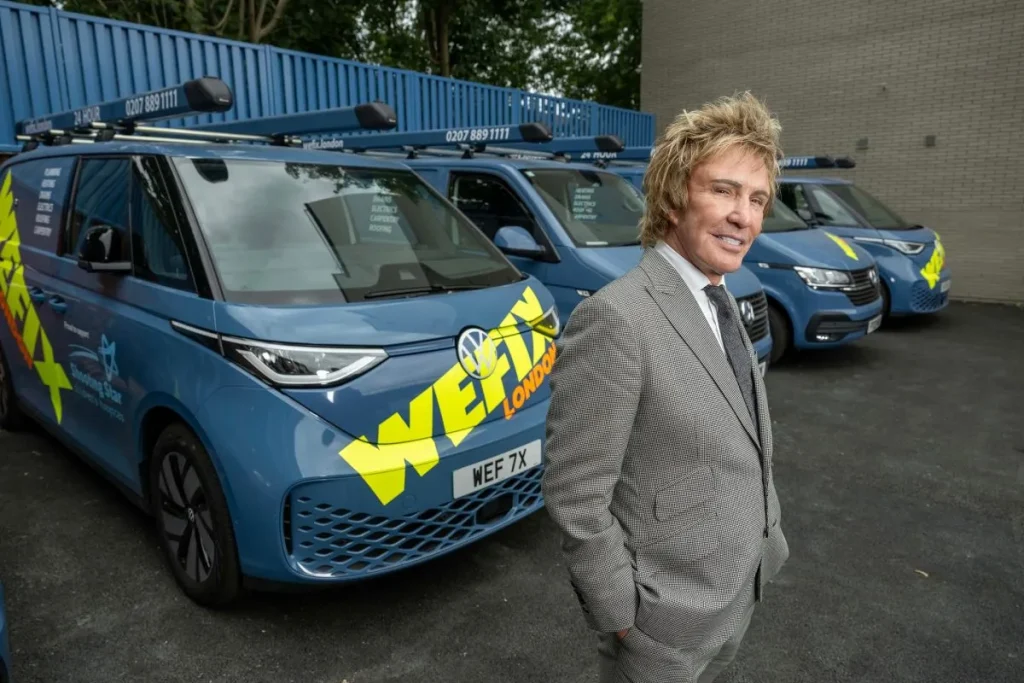
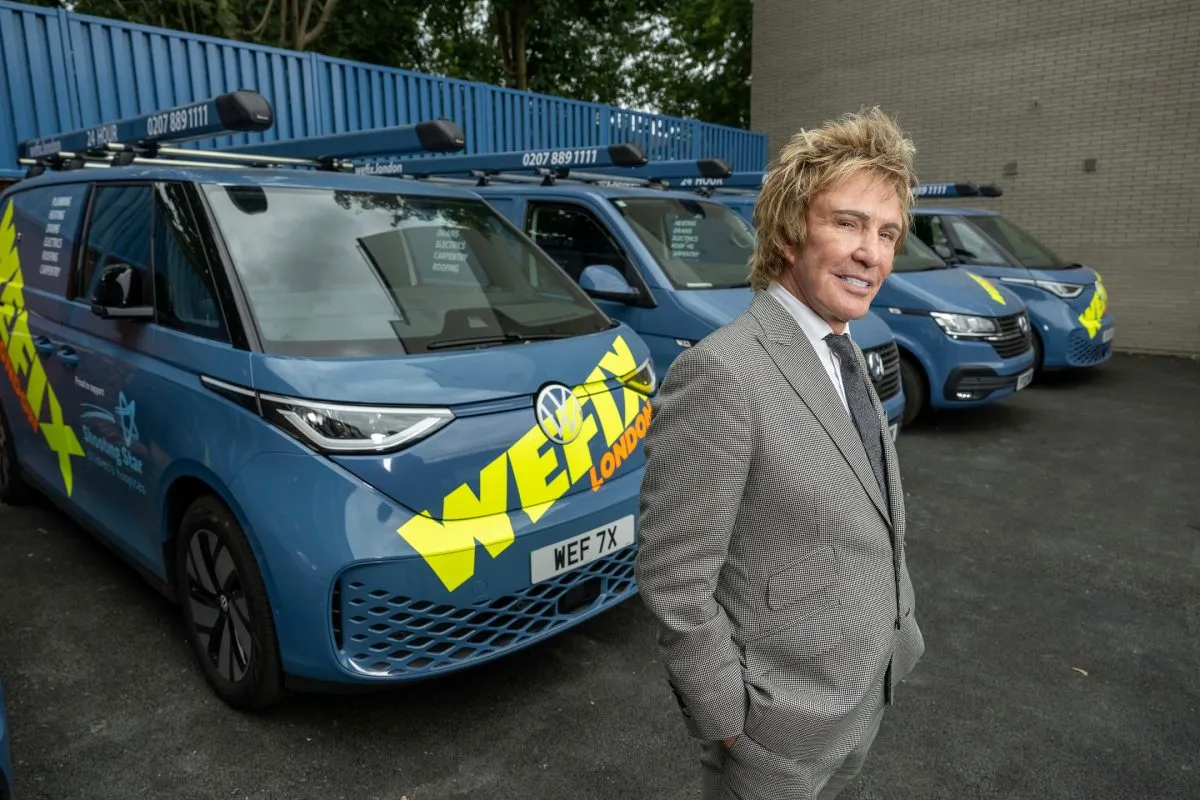
Charlie Mullins OBE is a forthright, common-sense entrepreneur and one of Britain’s most recognisable business figures. The archetypal self-made founder of Pimlico Plumbers, which he built from scratch and later sold for a reported £140m, Charlie is known for his straight-talking views on enterprise, employment and government policy. He is now chairman of WeFix London, where he continues to champion practical business thinking and opportunities for the next generation of entrepreneurs.