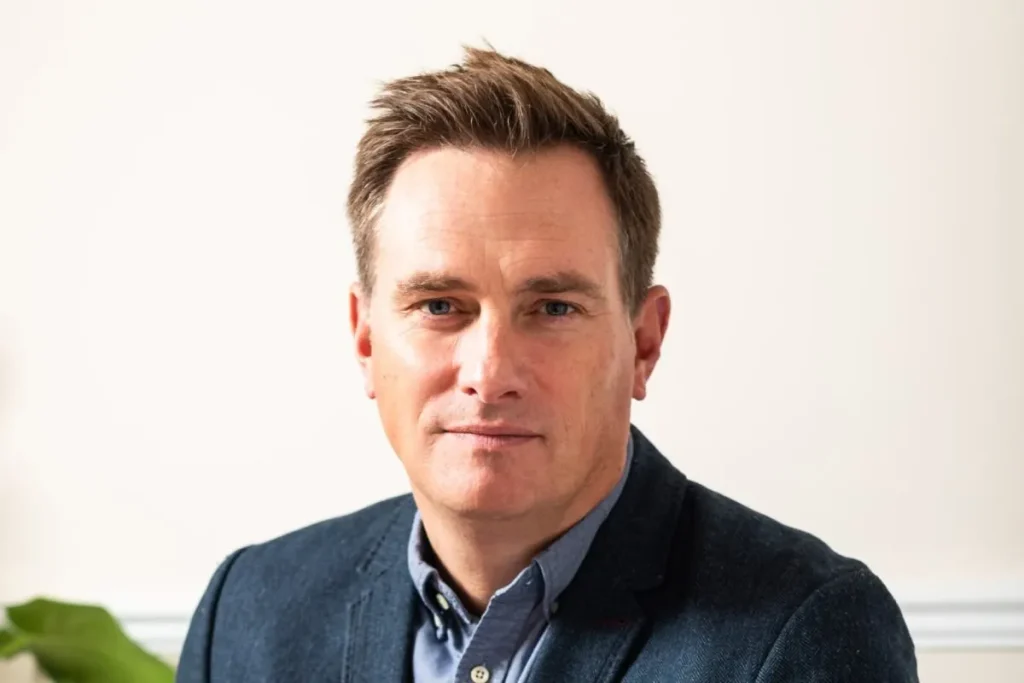


By business leader, investor, mentor, and entrepreneur, Serge Santos.
As someone who has built businesses across sectors, I’ve learned that capital does not fear risk. It fears uncertainty. Right now, the UK economy offers little clarity on direction, and that’s holding back growth and investment.
The Spring Statement on 3 March won’t be a Budget, and Rachel Reeves has made clear she wants to avoid the constant speculation that undermined confidence last year. Even without tax changes, however, the statement matters because the OBR forecasts will determine whether businesses expect stability or further fiscal tightening. That alone is likely to shape business expectations for the rest of the year.
Entrepreneurs can manage risk – it’s the ambiguity they struggle with.
UK growth will not come from marginal tweaks. It requires structural clarity. There are three structural signals I’d like to see in the Statement that will give us the confidence to invest: clarity around industrial strategy, workforce reactivation and predictable tax policy. Without these levers, SMEs will remain locked in defensive mode, and capital will be stuck on the sidelines.
Industrial strategy: give us direction
Entrepreneurs can manage risk – it’s the ambiguity they struggle with.
Currently, we have no clear sense of where UK industry is heading or which sectors the government sees as priorities for growth. This lack of direction doesn’t just delay investment, it actively prevents it.
The Spring Statement must embrace SMEs’ pivotal role as growth drivers.
My recommendation is that the government identify four to six priority sectors and align tax incentives, skills policy and public procurement around them. Manufacturing, clean energy, life sciences… pick the battles and commit the resources. For example, if advance manufacturing is a priority, align energy pricing, skills funding and procurement around it. Other countries act decisively. The UK hesitates.
Without declared priorities, capital allocates elsewhere.
Tax and HMRC: predictability matters
Business owners have consistently raised concerns about their rising tax burden, particularly the increase to employer National Insurance contributions, which came into effect last April. Factor in rising labour costs, and pressure without growth could eventually break the system.
There’s a persistent disconnect in this country between what the education system produces and what businesses actually need. No wonder apprenticeships work best when they’re designed by the industries that will hire the graduates.
The combination of higher taxes and a tougher enforcement regime is creating a cash flow strain for UK businesses that reduces reinvestment capacity. But the hardest part is the unpredictability. What we need is multi-year tax visibility. Businesses can adapt to high taxes. When planning horizons shrink, investment shrinks with them.
Workforce: reactivate, don’t just spend
Recruitment remains extremely difficult. Unemployment hit 5.2% in the three months to December – the highest rate for nearly five years – while levels of economic inactivity remain stubbornly high. Businesses are struggling to fill roles even where they’re ready to invest in growth. That mismatch is suppressing productivity before it even has a chance to improve.
Founders tell me they often feel unsupported and misunderstood by the government, and when entrepreneurs feel that way their natural instinct is to protect what they have rather than risk expansion…
Policy should focus on incentives to return to work and smoother transitions from benefits into employment. The current system often penalises people for taking work, creating cliff edges that discourage re-entry. It’s right to invest in health, of course, but reintegration into work must be measurable and incentivised.
Education and skills: align with reality
There’s a persistent disconnect in this country between what the education system produces and what businesses actually need. No wonder apprenticeships work best when they’re designed by the industries that will hire the graduates.
I’d like to see the government expand industry-led apprenticeships in priority sectors and measure success by employability rather than enrolment. Let businesses lead on curriculum design and guarantee pathways into employment, training people in sectors where demand is high.
Rebuilding entrepreneurial confidence
Founders tell me they often feel unsupported and misunderstood by the government, and when entrepreneurs feel that way, their natural instinct is to protect what they have rather than risk expansion. So they delay hiring, avoid debt and keep operations lean – a rational response, but one that suppresses national growth.
The Spring Statement must embrace SMEs’ pivotal role as growth drivers. We need to hear concrete, actionable policies that signal that the government sees SMEs as central to the UK’s growth strategy rather than simply a problem to be managed.
Sustainable growth doesn’t come from stimulus packages or short-term incentives. It comes from creating an environment where businesses feel confident enough to make multi-year commitments to expansion, hiring and innovation.
The government has the tools to provide the predictability businesses need, and the Spring Statement is a good place to start. If the government provides clarity, businesses will deploy capital and provide growth.
Serge Santos originally built a successful career as an investment banker, hedge fund professional, and strategy consultant. Over his seven-year career in the hedge fund industry, he deployed investments exceeding $1 billion across various asset classes. Now, Serge is the Founder and CEO of the innovative UK Fintech lending platform, Funding Alternative Group. He is also the Owner and Managing Director of the leading distributor of high-quality compressed air products, Compressed Air Centre Ltd, which he acquired in 2017.