

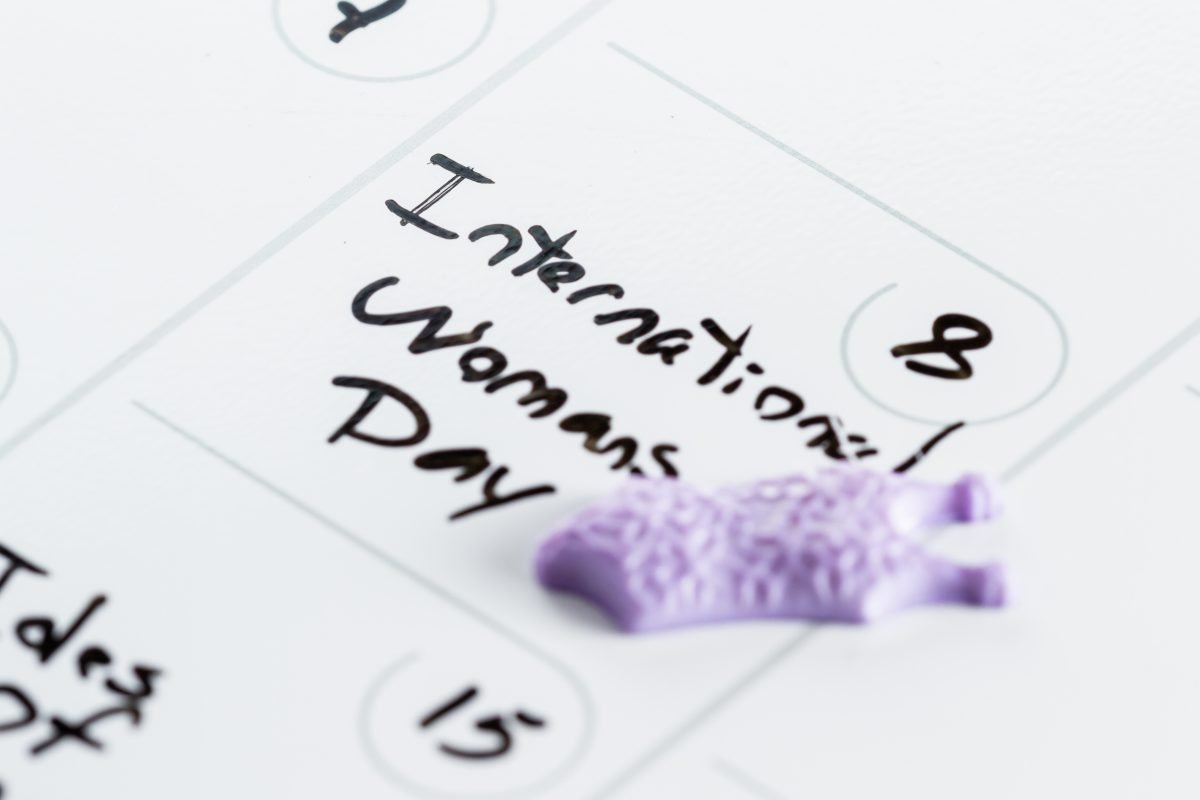
Many small business owners have the intention of marking International Women’s Day in some way. However, between the day-to-day of running a business, it’s easy for the 8th March to pass with little more than a LinkedIn post by way of acknowledgement.
The good news is, marking IWD well doesn’t require a big budget or an HR team. It requires intention. Yes, it’s that simple, and our guide will walk you through practical, honest steps you can take as a leader to make the day genuinely count.
Why recognising International Women’s Day is important for businesses
International Women’s Day isn’t a corporate tick-box exercise. It’s a moment to reflect on where women stand in your workplace, and what you, as a business owner, are actively doing about it.
Consider these numbers, for instance: Women make up nearly half of the UK workforce, yet remain underrepresented in senior roles across almost every sector. In small businesses, especially, where there’s likely no dedicated HR function or DEI team, the culture is shaped almost entirely by the people at the top.
That means you.
As such, taking time to celebrate IWD with your team—women and men alike—that inclusion is a matter you take seriously. It builds trust, improves morale, and can meaningfully strengthen staff retention.
Start with an honest look at your own workplace
Before you plan anything for the day itself, it’s worth pausing to take stock of where things actually stand in your business. Celebrating women at work rings hollow if the day-to-day experience doesn’t reflect that same respect.
So, let’s start by asking ourselves a few honest questions:
Are women fairly represented at every level?
Look at your team structure. Are women present not just in junior or administrative roles, but in leadership, decision-making, and client-facing positions? If the answer is no, that’s useful information. It’s also a starting point, not a source of shame.
Do women have equal access to progression?
Think about your last few promotions, pay reviews, or new opportunities. Who got them, and why? Bias in these decisions is often unintentional, but that doesn’t make it less real.
Do women feel comfortable speaking up?
This one’s harder to measure, but no less important. Do your female staff contribute freely in meetings? Do they raise concerns? Do they feel supported when they do? If you’re unsure, it’s worth paying attention to that uncertainty.
What does your flexible working look like?
Flexible and hybrid working disproportionately benefits women, who still carry a larger share of caring responsibilities in the UK. Consider whether your current setup genuinely supports that, or whether it exists in name only.
That said, you don’t need to solve everything before the 8th of March. But knowing where the gaps are will make everything that follows far more meaningful.
How to mark the day itself: practical ideas for SMEs
You don’t need an events budget or a dedicated planning committee. In fact, some of the most meaningful ways to mark IWD are refreshingly simple.
Recognise women on your team publicly
Take the time to call out the contributions of women in your business, whether that’s in a team meeting, an internal message, or across your social channels. Specific, genuine recognition lands far better than a generic post.
Give women a platform
Rather than speaking on behalf of your female staff, invite them to lead something themselves. That might be a short team discussion, a social media takeover, or simply sharing their perspective in a group setting. The key is that it’s their choice, not an obligation.
Mark it together as a team
A team breakfast, lunch, or informal gathering goes a long way. It doesn’t need to be elaborate. What matters is that you’ve made time for it, and that the whole team is included in the moment.
Look outside your four walls
Consider amplifying women-owned businesses in your network. You can partner with a women-focused charity, or simply share content that reflects the spirit of the day. Such small gestures, when they’re consistent and genuine, add up.
Go beyond the day: commitments that actually make a difference
Marking IWD well is a start. Sustaining that energy throughout the rest of the year is where real change happens. Let’s see how you can make that happen:
Review pay and progression fairly
Take a look at whether women in your business have equal access to pay rises, promotions, and stretch opportunities.
You don’t need a formal audit to begin, either. Simply start by reviewing your last few decisions and asking whether they were as fair as they could have been.
Strengthen your flexible working offer
Flexible working remains one of the most impactful incentives a small business can offer its female staff.
With that in mind, consider whether your current approach is genuinely flexible, or whether it’s flexible in theory but rigid in practice. Lead open, honest conversations with your staff to know for sure.
Build a culture where women feel heard
Besides policies, what women often need most is to feel that their voices carry weight. That means addressing interruptions in meetings, actively seeking input from quieter team members, and following through when concerns are raised.
Consider your hiring practices
Look at where you’re recruiting, how job descriptions are written, and who’s sitting on your interview panels. Small adjustments at the hiring stage can meaningfully shift the make-up of your team over time.
Mark key moments throughout the year
IWD is one date in the calendar, but there are others worth acknowledging, too. International Equal Pay Day, Women’s History Month, and Menopause Awareness Month all offer organic opportunities to keep the conversation alive.
Recognising these moments costs very little, but sends a consistent message to your team that your commitment to women in the workplace doesn’t begin and end in March.
What to avoid: common IWD mistakes business owners make
Celebrating IWD right is as much about what you don’t do as what you do. With that in mind, here are some of the most common pitfalls to steer clear of:
Don’t make it performative
A purple graphic on Instagram means very little if the women in your business don’t feel valued the other 364 days of the year. Audiences and employees alike are increasingly good at spotting the difference between genuine commitment and surface-level gestures.
Don’t put the burden on your female staff
It’s easy to fall into the trap of asking the women on your team to organise, lead, and deliver IWD activities. In doing so, you’re adding unpaid emotional labour to their workload. As the business owner, the responsibility sits with you.
Don’t treat it as a one-team occasion
IWD isn’t just for the women in your business. Engaging your whole team, including the men, in the conversation is what actually shifts workplace culture. In other words, leaving half your staff out of the picture rather defeats the purpose.
Don’t celebrate without listening
Use the day as an opportunity to genuinely hear from your female staff. That means creating space for honest conversation and being prepared to act on what you learn, rather than simply going through the motions.
How to carry the momentum forward afterwards
The risk with awareness days is that the energy fades the moment they’re over. To make IWD meaningful in the long term, the work needs to continue well after the date itself. It’s always celebrated on the 8th March – and has been ever since the United Nations made it official in 1976 – so there are no excuses for getting the date wrong.
Set one or two concrete goals
Rather than making sweeping commitments you can’t sustain, pick one or two specific things to focus on in the months ahead. That might be reviewing your flexible working policy, revisiting your hiring process, or simply committing to more regular one-to-ones with your female staff.
Build inclusion into your regular rhythm
Look for ways to weave inclusion into the everyday running of your business, rather than treating it as a standalone event. That could be as simple as adding it as a standing item in quarterly team reviews.
Check in on progress
You don’t need a formal reporting structure to hold yourself accountable. Set a reminder to revisit your goals in three to six months and ask honestly whether things have moved forward. Small, consistent progress over time is far more valuable than a single grand gesture.
Keep the conversation going
Encourage ongoing dialogue with your team about what’s working and what isn’t. Remember that the most inclusive workplaces aren’t built on policy alone. Rather, they’re built on trust, and trust is earned through consistent, open communication.
Final thoughts
International Women’s Day should be a starting point for you. The businesses that get this right are the ones that treat the 8th of March as a prompt to reflect, act, and keep going.
Fortunately, you don’t need to overhaul your entire business overnight. What matters is that you’re moving in the right direction, making genuine efforts, and bringing your whole team along.
However you choose to mark the day, make sure it means something. Your team is watching, and more importantly, they’re worth it.